Hey! So, let’s chat about something we all kinda crave: good sleep. You know, that sweet escape where the world fades away for a bit?
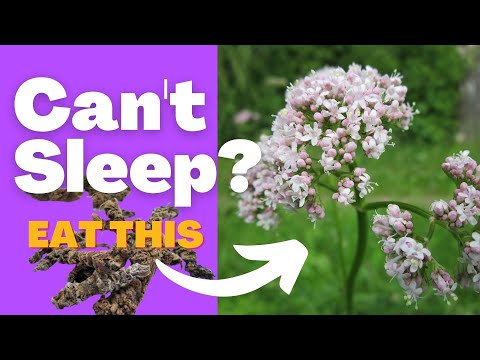
Well, there’s this herbal buddy called valerian root that might just help us get there. Seriously!
People have been raving about it for ages. It’s not some fancy new thing. Valerian’s been around forever and is known to chill your mind out when sleep feels elusive.
So, if you’re tossing and turning at bedtime or just feeling a bit on edge, hang tight—we’re gonna explore how this little root could bring some calm to your nights and maybe even your days. Sound good? Let’s dive in!
Exploring the Impact of Valerian Root on Cortisol Levels: Benefits and Insights
Valerian root has been around for ages, often touted as a natural remedy for various issues, especially related to sleep and anxiety. A lot of folks are curious about its effects on cortisol levels, which is basically your body’s stress hormone. When it’s elevated, it can lead to all sorts of unwelcome feelings—like anxiety or sleeplessness.
Studies suggest that valerian root might help in managing these cortisol levels. It seems to have a calming effect that could potentially counteract stress. So, how does it do that? Well, it’s believed to enhance the activity of certain neurotransmitters in the brain, mainly GABA (gamma-aminobutyric acid). This neurotransmitter plays a crucial role in regulating feelings of calm and relaxation.
So here’s what you need to know about valerian root:
- Reduces Cortisol: Some evidence shows that valerian can lower cortisol levels after stressful experiences. Lower cortisol means less stress.
- Improves Sleep Quality: When your cortisol levels drop, you’re more likely to enjoy restful sleep. Valerian root has been used traditionally to help people fall asleep faster and wake up feeling refreshed.
- Anecdotal Evidence: Many people say they feel calmer and less stressed after taking valerian root. While individual experiences vary a lot, some find it helps with anxiety-related symptoms.
Now let’s talk about how people typically use it. Valerian root can be found in various forms—capsules, teas, and tinctures are pretty popular. If you decide to give it a shot, just remember that everyone reacts differently. Some might feel relaxed within a short time frame while others may take longer.
Here’s an interesting example: imagine you have trouble sleeping because work stress is piling up. You try valerian tea before bed one night and find that not only did you fall asleep faster but you also woke up without that nagging sense of dread about the day ahead. That’s the kind of benefit many are looking for!
It’s worth noting though that while valerian root may help with cortisol management and overall relaxation, it’s not a miracle solution or a substitute for healthy coping mechanisms like exercise or mindfulness practices.
In summary, valerian root appears to have potential benefits when it comes to lowering cortisol levels and promoting relaxation and better sleep quality. But as with anything else in life, moderation is key! Always keep an ear out for how your body reacts if you decide to try it out—it could be just what helps ease your daily worries!
Exploring the Benefits of Valerian for Menopause Relief: What You Need to Know
Valerian root has been gaining some attention when it comes to managing menopause symptoms. If you or someone you know is dealing with menopause, you might be curious about natural remedies. So, what’s the deal with valerian?
First off, valerian is a plant that’s been used for ages—like, we’re talking ancient Greece and Rome—to help with sleep issues and anxiety. The thing is, as menopause hits, women often experience sleep disturbances and increased anxiety due to hormonal changes. That’s where valerian comes into play.
What are the benefits? Well, here are some points worth considering:
- Promotes Relaxation: Valerian may help calm your mind and body. Many people find it easier to unwind when they take it.
- Improves Sleep Quality: Studies suggest a better night’s sleep with valerian. It might help you fall asleep faster and stay asleep longer.
- Reduces Anxiety: Some research indicates that it can lower anxiety levels, which can be super helpful during menopause since mood swings are common.
Imagine a friend who struggled with those restless nights filled with tossing and turning. They tried valerian tea right before bed and noticed they were falling asleep quicker and waking up more refreshed! Pretty awesome, huh?
But while valerian seems promising, not everything works the same for everyone. It’s also worth noting that valerian isn’t a miracle cure-all. You still gotta take care of your overall health during menopause—think exercise, diet, and managing stress.
And of course, safety first! Always chat with a healthcare provider before jumping on any supplement bandwagon. Some people may experience side effects like headaches or stomach upset. Plus, if you’re taking other medications or have underlying health issues, you’ll wanna make sure they don’t clash.
In summary? Valerian could be a helpful ally in navigating the menopausal journey for some folks out there—especially in handling sleep disturbances and anxiety levels. Just remember to approach it thoughtfully!
“Understanding the Side Effects of Valerian Root: What You Need to Know”
Valerian root is one of those herbal remedies that pops up when you’re looking for something to help with sleep and relaxation. You’ve probably heard people rave about it. But, like anything else, it comes with its own set of side effects you might want to chew over before diving in.
First off, what is valerian root? It’s an herb that’s been used for centuries. People mainly take it to tackle insomnia or anxiety. It works by increasing the level of a neurotransmitter called GABA in your brain, which can calm things down a bit. Sounds great, right? But here’s where the caution flags come in.
Now, let’s break down some of those potential side effects:
Now here’s something interesting: valerian doesn’t seem to affect everyone the same way. For some people, it’s like magic! They sleep like babies and wake up feeling fresh. For others? Not so much.
Also worth mentioning is how it interacts with other medications. If you’re on sedatives or certain antidepressants, mixing them with valerian could intensify side effects—definitely not cool! Always worth having a chat with your doctor about this before trying anything new.
And hey, there’s also this little thing called withdrawal symptoms if you stop taking it suddenly after long use. You might feel pretty jittery—just when you thought you were calming down!
So really, while valerian root can be useful for many people looking for sleep support or relaxation, it’s not all sunshine and rainbows; there are potential downsides too.
In summary, before jumping on the valerian bandwagon:
- Be aware of how your body reacts if you’re trying it for the first time.
- Watch out for any interactions with medications.
- If you’re having issues, consider talking to someone who knows their stuff about herbal remedies.
You know your body best! Just keep your eyes peeled for how things go if you decide to give valerian root a shot.
You know, I’ve always been someone who finds it tough to wind down at the end of the day. It’s like my brain decides to throw a dance party right when my head hits the pillow. Maybe you’ve felt that too? So, when I heard about valerian root, I was curious but a bit skeptical.
Valerian root is one of those natural remedies that’s been around for ages. People swear by it for promoting sleep and easing anxiety. The first time I tried it, I was a bit nervous. What if it didn’t work? What if I just stared at the ceiling all night, wondering why on earth I thought herbal tea could fix my insomnia?
I remember that night vividly. After brewing myself a cup of valerian tea, I settled into bed with a good book. Honestly? At first, nothing felt different. But after about half an hour or so, something shifted. My racing thoughts began to quiet down like a radio slowly turning off. It was kind of magical.
Okay, so let’s talk about what valerian root actually does—besides helping me chill out on that particular evening! It supposedly increases gamma-aminobutyric acid (GABA) in your brain. GABA is this calming neurotransmitter that helps reduce stress and anxiety levels. Imagine having a friend who just tells you everything’s going to be okay—that’s kinda what GABA does.
But not everyone has the same experience with valerian root. Some folks say they feel groggy in the morning or don’t notice any difference at all. It’s like trying different types of sleep masks; what works for one might not work for another.
What really stands out about valerian root for me is its gentle approach to relaxation compared to some over-the-counter options that can leave you feeling hungover or disoriented the next day. It feels nice knowing there are natural paths you can take instead of reaching straight for medication all the time.
In retrospect, incorporating things like valerian root into your routine can feel pretty cool—not just as a remedy but almost as this soothing ritual before bed. So if your thoughts are racing and sleep feels elusive, maybe give it a shot? You never know—it might just lead you down that path to sweet dreams and serenity!