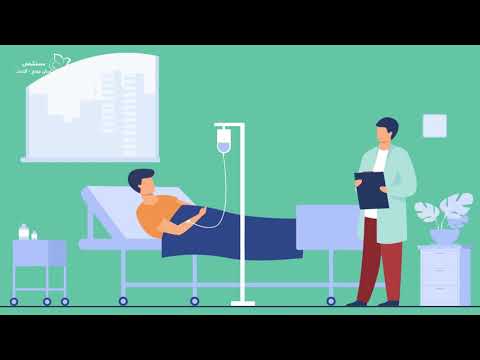
You know, when it comes to healthcare, it’s not just about the medicine. It’s also about how we talk to each other. Seriously! Good communication can make a world of difference.
Imagine you’re in a hospital setting, feeling nervous and overwhelmed. The doctors and nurses are busy. But then, someone takes a moment to really listen to you. It totally changes things, right?
Connecting through words can build trust. It eases fears and helps patients feel valued. And that can lead to better care overall.
So let’s chat about why effective verbal communication is so crucial in patient care. You’ll see how it’s all intertwined!
Understanding the 5 C’s of Verbal Communication: Key Principles for Effective Interaction
Verbal communication is a big deal, especially when it comes to making connections or improving care—like in healthcare settings. You know, when you’re chatting with your doctor or a nurse, the way they talk to you can really change how you feel about your health. That’s where the “5 C’s of Verbal Communication” come into play. So let’s take a closer look.
1. Clarity is all about being straightforward. If you’re speaking to someone, like a patient, using simple language makes everything easier to understand. For example, instead of saying “you have a respiratory infection,” you might say “your lungs are infected.” It’s clear and gets straight to the point!
2. Conciseness means trimming the fat from what you’re saying. You want to get your message across without going off on wild tangents! For instance, if a patient asks about their treatment plan, sharing just the essentials—what they need to know—helps keep things focused and helps them actually remember what you said.
3. Confidence plays a huge role too! This is like having that strong presence when you speak. If patients see you believe in what you’re saying, they’re more likely to trust your guidance. Think of it this way: if someone explains something but sounds unsure or hesitant? Yeah, that can make anyone second-guess what they heard.
4. Courtesy isn’t just about being polite; it’s also about considering the feelings of others while communicating. Saying “please” and “thank you” can create a better atmosphere for conversation! When nurses treat patients with kindness and respect in their words, patients feel valued and more likely to open up.
5. Completeness involves providing all necessary information without leaving gaps that might confuse someone later on. Completing an explanation means addressing possible questions upfront! For example, if you’re explaining discharge instructions after surgery, making sure the patient knows not just what to do next but why it matters makes their recovery smoother.
So there you have it! These 5 C’s are like your toolkit for effective verbal communication that can really enhance interactions—especially in contexts like healthcare where understanding is key! Remembering these principles helps foster trust and understanding between people, whether it’s with patients or anyone else in life!
Unlocking Effective Communication: Understanding the 7 C’s of Verbal Communication
Communication is like the glue that holds everything together, especially in healthcare. When doctors, nurses, and patients connect well, it can make a world of difference. You might be wondering about the “7 C’s of Verbal Communication.” These are principles that can really boost how effectively people talk to each other. Let’s break them down together.
1. Clarity: This one’s all about making sure your message is straightforward. Avoid using complicated medical jargon when talking to patients. For instance, instead of saying «hypertension,» just say «high blood pressure.» It’s clearer and easier to understand.
2. Conciseness: Keep it short and sweet! No one wants to listen to a long-winded explanation when they’re feeling anxious. Get right to the point without losing the essential details. Imagine you’re telling a friend about a movie plot—you wouldn’t give every scene, would you?
3. Concreteness: Be specific! Instead of saying “exercise regularly,” you could say “walk for 30 minutes three times a week.” This gives your audience something tangible they can relate to and aim for.
4. Correctness: Your information needs to be accurate—especially in healthcare! If you’re sharing advice or giving instructions, make sure it’s based on facts and proper knowledge. Misinformation can lead to serious misunderstandings or even harm.
5. Consideration: It’s crucial to think about your audience’s perspective and feelings. When speaking with patients, show empathy and understand their concerns. If someone is nervous about a procedure, acknowledging their fear can go a long way in building trust.
6. Completeness: Provide all necessary information without veering off into unrelated topics—unless it helps clarify things! For example, if discussing medication side effects, ensure you cover both potential issues and what benefits they may bring; this gives a balanced view.
7. Courtesy: Always communicate with respect and politeness; it creates a positive atmosphere for dialogue. Saying “Please” or “Thank you” might seem small but makes patients feel valued as individuals rather than just another appointment on your schedule.
When these C’s come together in verbal communication, it creates an environment where patients feel heard and understood—leading not only to better care but also enhanced satisfaction overall! So next time you’re communicating with someone, whether in healthcare or everyday life, keep these principles in mind—they’re super helpful for making connections that matter!
Exploring the Impact of Verbal Communication on Healthcare Outcomes
Verbal communication is, like, super important in healthcare. It goes beyond just talking; it’s about connecting with patients and ensuring they understand what’s going on with their health. This connection can really make a difference in outcomes, you know?
First off, let’s think about clarity. If a doctor explains a diagnosis in a way that’s clear and simple, patients are more likely to understand their condition. Imagine being told you have a complex illness using medical jargon that flies over your head. You end up confused and anxious. But if the doctor breaks it down into everyday language, it feels more manageable. Less anxiety equals better outcomes.
Then there’s trust. When healthcare providers communicate effectively, it builds trust. Patients feel like their doctors actually care about them. For instance, if a nurse takes the time to explain medication side effects thoroughly and answers questions patiently, that patient is likely to feel more secure about following through with treatment protocols.
Also, consider how active listening plays a role. When healthcare professionals listen actively—like nodding along and summarizing what the patient says—it shows the patient that they’re valued and heard. This can lead to more honest conversations about symptoms or concerns which helps in shaping better treatment plans.
The emotional impact of communication can’t be ignored either! Think about when you’ve shared something personal or scary with someone who reacted positively—it feels good! In healthcare, this emotional connection can lead patients to adhere better to treatment plans because they feel supported.
Moreover, cultural competence is vital too. Different backgrounds mean different ways of understanding health information. Effective verbal communication includes being aware of these differences and adapting accordingly. For example, using interpreters for patients who speak different languages or being sensitive to cultural beliefs around health can really improve how well information is received.
Finally, let’s think about follow-up communication after an appointment or procedure. Sending home clear instructions—ideally in writing—alongside spoken information ensures that patients know what steps to take next. It reinforces everything discussed during the visit and decreases the likelihood of misunderstandings later on.
In summary, effective verbal communication in healthcare isn’t just nice—it’s essential for improving patient outcomes! So every little detail counts when talking to patients; from how clearly things are explained to how much care is shown during those conversations.
You know, when it comes to healthcare, we often think about the technical stuff—the treatments, the medications, all of that. But there’s this huge part that sometimes gets overlooked: communication. Seriously, how you talk to patients can make a world of difference.
I remember once going with a friend who was feeling super anxious about a minor procedure. The doctor walked in like they were in a rush, barely made eye contact, and launched into an explanation that felt more like a lecture than a conversation. My friend ended up more confused and stressed out than before. It’s wild how just a few words—or the lack of them—can create such feelings.
Effective verbal communication isn’t just about sharing information; it’s about connecting with patients—making them feel seen and heard. When healthcare providers take the time to listen and explain things clearly, it fosters trust. Patients are more likely to follow through with treatment if they feel like they’ve been included in their own care decisions.
And honestly, sometimes it’s the little things that count! A simple «How are you feeling today?» or «What questions do you have?» can change the vibe completely. It shows care and encourages open dialogue. Patients are often scared or overwhelmed; so showing empathy through your words can ease some of that stress.
But here’s where it gets tricky: not everyone has the same background or understanding of medical jargon. So really breaking things down into everyday language makes such a difference! You want to make sure your patient walks away not just with answers but also feeling empowered.
In healthcare, we need communication to work two ways—doctors talking and patients listening, yes; but also patients sharing their concerns without hesitation. It’s like setting up this team vibe where everyone is working together for the same goal: better health outcomes.
So yeah, enhancing patient care through effective verbal communication isn’t just nice to have; it’s essential! Making that effort can lead to better experiences all around for both providers and patients alike. And let’s be real: we could all use a little more kindness and understanding in our lives—even in healthcare!