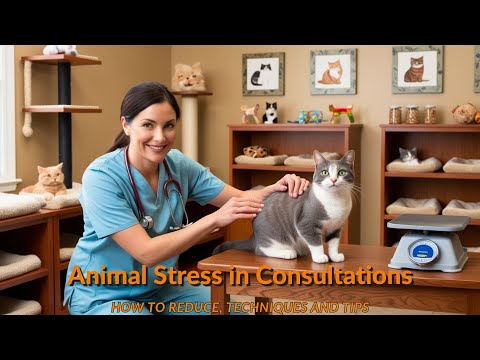
Hey! You know how our pets can get super stressed out sometimes? It’s like they pick up on all our vibes.
Whether it’s a trip to the vet or a thunderstorm rolling in, their anxiety can really take a toll. You might have seen your furball hiding under the bed, or maybe barking non-stop, right?
It’s tough to watch them struggle. But here’s the thing: there are ways we can help them chill out and feel more secure. Yeah, there’s hope!
In this little chat, we’ll dig into some strategies you can use to manage that stress and anxiety in your furry friends. Because honestly, they deserve the best from us. So let’s jump in!
Effective Strategies for Managing Stress and Anxiety in Dogs: A Comprehensive Guide
Managing stress and anxiety in dogs can feel daunting, but it’s super important for their well-being. Just like us, our furry friends can experience stress. You might notice them acting differently—like panting, barking more than usual, or even hiding away. So let’s break down some effective strategies to help them chill out.
Understanding Triggers
First things first, figure out what stresses your dog out. Is it loud noises like thunder or fireworks? Or maybe it’s sudden changes in their routine? Keep an eye out for patterns that make them anxious; this awareness is half the battle!
Creating a Safe Space
Dogs need a comfy spot where they can retreat when the world gets overwhelming. This could be a cozy bed in a quiet corner or even a crate with their favorite blanket. Make it special! That way, when your pup feels stressed, they’ll have somewhere familiar to go.
Regular Exercise
Just like how we feel better after moving our bodies around, dogs need their exercise too! A daily walk or some playtime in the yard can help burn off excess energy and reduce anxiety. You know how you sometimes feel less stressed after getting your heart rate up? Same goes for your dog!
Positive Reinforcement Training
Teaching your dog new tricks or commands can boost their confidence and distract them from what’s stressing them out. Use treats and praise as rewards. It’s like saying, “Hey buddy, you did awesome!” This method not only builds trust but also strengthens your bond with them.
Aromatherapy and Calming Products
Some scents can help calm anxious pups. Lavender and chamomile are favorites among pet owners. Look for pet-safe essential oils or calming sprays designed for dogs; just make sure they’re safe to use around pets before applying anything.
Pheromone Diffusers
Consider using pheromone diffusers that mimic the calming scents released by mother dogs—these products are designed to create a soothing environment. They can be especially useful during stressful times like vet visits.
Gradual Exposure
If something specific triggers your dog’s anxiety, try gradual exposure to that situation while rewarding calm behavior. This means letting them get used to loud noises at a distance before bringing them closer over time; it takes patience but offers great long-term benefits.
Consistency is Key
Stick with routines as much as possible! Dogs thrive on predictability; having regular feeding times, walks, and play sessions creates a sense of stability in their world.
Keeping communication open between you and your vet is essential too if you’re worried about how to handle persistent anxiety issues—sometimes they might suggest medication as part of the plan if needed!
So remember: every dog is different! What works wonders for one pup might not do much for another. The trick is to mix these strategies together until you find what calms YOUR furry friend down best! Ultimately creating an environment where they feel loved and safe makes all the difference in managing stress effectively!
Essential Skills for Effectively Managing Stress and Anxiety in Daily Life
Managing stress and anxiety in daily life can feel kinda overwhelming, right? Whether it’s work, relationships, or just the chaos of everyday tasks, these feelings can sneak up on you. But seriously, there are some practical skills that can make a huge difference. Let’s break them down.
Mindfulness is one of those buzzwords you hear everywhere, but it’s more than just a trend. It’s all about being present in the moment. You know that feeling when you’re sipping coffee and really enjoying the taste? That’s mindfulness! It doesn’t have to be anything fancy—just take a minute to breathe deeply and notice what’s around you. This little habit can lower anxiety levels significantly.
Another skill worth mentioning is time management. When life gets busy, it’s easy to feel swamped. Ever found yourself juggling a million tasks at once? Prioritizing what needs your attention first helps you feel less scattered. Start by breaking larger tasks into smaller chunks. For example, if you’re working on a big project, set specific goals for each day instead of trying to tackle everything at once.
Then we have physical activity. Seriously! Getting your body moving can do wonders for your mental state. A short walk or even some stretching can release endorphins—those feel-good hormones—and help clear your head. Imagine finishing a long day at work and taking a brisk walk outside; it not only boosts your mood but also gives you a break from whatever was stressing you out inside.
Now let’s not forget about social support. Building connections with friends or family provides an emotional safety net when things get tough. Just chatting with someone who gets what you’re going through can lighten that load significantly. If things get really rough, don’t hesitate to reach out for help because you don’t have to face everything alone!
Sometimes we ignore our own self-care. Taking time for yourself shouldn’t feel guilty! Whether it’s reading a book, taking a bath, or binge-watching your favorite show—whatever relaxes you counts as self-care! It recharges your batteries so that when challenges come up again, you’ll be more resilient.
And here’s the deal: practicing gratitude daily can shift your focus from what’s stressing you out to what’s good in your life. You could start keeping a gratitude journal where every night before bed, jot down three things you’re thankful for that day—big or small!
Lastly, let’s touch on breathe techniques. You know those moments when stress hits hard? Taking deep breaths helps calm your nervous system right away. Try inhaling slowly through your nose for four counts and exhaling through your mouth for six counts. Doing this just a few times can seriously ground you when anxiety creeps in unexpectedly.
So yeah, managing stress and anxiety doesn’t have to be something big or complicated; it’s often about those small daily choices and practices that build up over time! Each little step adds up; find what resonates with you and keep at it!
Effective Legal Strategies for Managing Stress and Anxiety: A Comprehensive Guide
Stress and anxiety can hit us all, whether you’re dealing with a bustling legal career or even trying to manage your furry friend’s nerves. The truth is, stress can manifest in so many ways, from tightness in your chest to a restless pup pacing around the house. So how do we tackle this head-on, especially in a field as demanding as law? Here are some effective strategies to help you manage stress and anxiety.
First off, understand your triggers. Knowing what specifically stresses you out can be a game changer. For instance, if exams make you anxious or a particular case feels overwhelming, recognizing these as stress points is the first step. A good way to keep track is by jotting down your feelings and situations that elevate them.
Then there’s deep breathing. Seriously, it sounds simple but it works wonders! Try this: inhale deeply through your nose for a count of four, hold for four, then slowly exhale through your mouth for another count of four. Repeat that a few times and see if that doesn’t calm those racing thoughts or jitters.
Another important tactic is establishing boundaries. In the legal world—where it often feels like you’re expected to be available 24/7—it’s vital to carve out specific time for yourself. You need moments where you’re not “on duty.” Whether it’s saying no to an extra case or stepping away from emails after hours, don’t underestimate how liberating it can feel.
You might also want to consider physical activity. It’s pretty impactful when you’re stressed! Regular exercise—be it running, yoga, or even just taking long walks—releases endorphins that boost mood and reduce tension. Plus, if you can get outdoors with your pet while doing this? Double win!
Also worth mentioning is the power of social support. Chatting with colleagues who understand the pressures of law can be incredibly relieving. If they share similar experiences about managing their own anxieties or stressors at work—like handling an overzealous client—it creates a real sense of camaraderie.
Don’t forget about mindfulness and meditation. These practices encourage you to focus on the present moment and let go of worries about past cases or future trials. Just try sitting quietly for five minutes each day; focusing on your breath may become one small but mighty habit in helping ease anxiety.
On top of all that, integrating schedules and routines into your life could create much-needed structure during chaotic times. This way, there’s predictability about when you work on cases versus when it’s time for self-care activities like reading or enjoying time with friends—and yes—even pets!
Lastly, consider reaching out for professional help if things feel really tough. It doesn’t mean you’re weak; sometimes we just need someone to guide us through murky waters.
So yeah! Managing stress and anxiety isn’t just an individual sport; it’s about understanding yourself better while finding effective strategies that resonate with you personally. The more tools you have in your kit—whether it’s breathing exercises or knowing when it’s okay to say no—the better equipped you’ll be when life gets chaotic!
You know, when you think about it, animals feel stress and anxiety just like we do. It’s kinda heartbreaking, really. Picture this: a dog trembling in the corner during a thunderstorm or a cat hiding under the bed when new people come over. Just like us, they have their own fears and triggers.
Vetpro Strategies is all about addressing these worries in our furry friends. They focus on understanding that stress can come from so many places—like changes in routine, loud noises, or even being left alone for too long. The thing is, animals can’t tell us what’s wrong with words; they show it through behavior. And that’s where being aware and proactive makes all the difference.
One of the simplest strategies involves creating a safe space for pets. Imagine having a cozy corner filled with their favorite blanket and toys where they can chill out whenever they need to escape from whatever’s stressing them out. It’s like having your own little sanctuary to retreat to!
Then there’s training and socialization, which can help build confidence in animals. Like teaching a puppy to sit on command or rewarding them for calmly greeting new people—it helps them feel more secure in their environment. And honestly? It’s amazing how much these little steps can change their outlook.
Sometimes, vet professionals might recommend calming aids—whether it’s certain pheromone diffusers or herbal remedies that help soothe anxious pets. But remember: a vet’s guidance is crucial here. You wouldn’t want to experiment without some advice from someone who knows what’s best.
Sharing personal moments also counts! I once had a friend whose dog was terrified of thunderstorms. They used to cuddle up with him during storms while playing soft music to drown out the loud booms outside. It became a little ritual of comfort for both of them!
That connection is so important because anxiety isn’t just about the individual animal—it impacts our bond with them too. So managing their stress effectively often ends up benefiting everyone involved.
In the end, Vetpro Strategies are about compassion and understanding our pets as sentient beings with feelings and experiences of their own—not just as cute companions we love but also as complex creatures navigating life alongside us every day!