Alright, let’s chat about Vygotsky. He’s one of those names you hear tossed around in psychology class, right?
But what’s the deal with this guy? Well, he had some pretty cool ideas about how we think and learn. Seriously, it’s like he peeked into our brains back in the day.
Picture yourself learning something new—maybe a language or a skill. It’s not just you picking it up alone; you’re kinda bouncing ideas off others. That’s where Vygotsky comes in.
His thoughts on social interaction and culture really flipped the script on cognitive development. It’s not just about what you know; it’s also who you know and how they help you grow. So, let’s dig into what this means for us today!
Exploring Lev Vygotsky’s Key Contributions to Cognitive Psychology
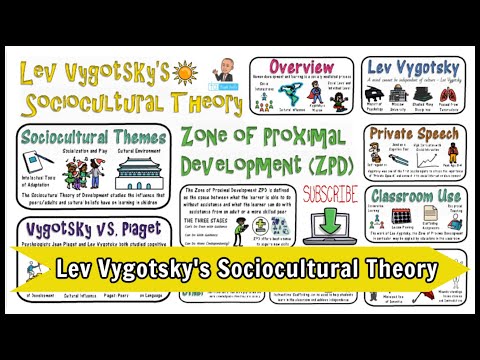
Lev Vygotsky was this brilliant Russian psychologist who really, you know, shook up the way we think about learning and cognitive development. His ideas are crucial in understanding how people grow mentally, especially kids. Two of his main contributions stand out: the **Zone of Proximal Development (ZPD)** and the importance of social interaction in learning.
Zone of Proximal Development (ZPD) is a fancy term for a pretty straightforward concept. It’s all about the space between what a child can do alone and what they can do with help. Imagine a kid trying to solve a puzzle—by themselves, they might only fit a few pieces. But with guidance, maybe from a parent or teacher, they can figure out much more.
When Vygotsky talked about this zone, he really emphasized that learning happens best in collaboration with others. This idea challenges us to rethink teaching methods. Instead of just lecturing or giving assignments, it’s about finding ways to engage students in discussions and hands-on activities.
- Scaffolding: This is like having training wheels on a bike. When someone guides you through challenging tasks at first but gradually removes support as you gain skills, that’s scaffolding! Vygotsky believed teachers should structure lessons in this way.
- Cultural Influences: Vygotsky also stressed that our environment shapes our cognitive abilities. Languages, rituals, and daily interactions play huge roles in how we think.
His focus on social contexts makes sense if you think back to your own schooling experiences. Remember when group projects were such a big deal? At first glance, it can seem like just extra work, but those projects often helped students learn from each other’s strengths.
Vygotsky also highlighted **language** as essential for cognitive development. He suggested that as children learn to speak and communicate their thoughts more clearly, they’re also refining their thinking processes. When kids talk through problems or explain ideas to friends or family members—boom!—they’re not just practicing language; they’re learning how to think critically.
In summary, Vygotsky’s contributions remind us that learning isn’t just an isolated experience; it’s deeply social and culturally influenced. His ideas push us to create environments where collaboration thrives and where instruction adapts to meet learners right where they are! Isn’t it neat how talking things out can help unlock big ideas?
Understanding Vygotsky’s Emphasis on Social Interaction in Cognitive Development
Vygotsky was a big deal in the world of psychology, especially when it comes to how we learn and grow cognitively. His ideas have really shaped modern education and our understanding of human development. Basically, he believed that our brains develop not just through solo study sessions but more importantly, through social interactions.
He proposed something called the **Zone of Proximal Development** (ZPD). This is the gap between what a learner can do without help and what they can achieve with guidance. Imagine you’re learning to bake. You might know how to mix ingredients but struggle with timing the oven. If someone steps in to show you — maybe your mom or a friend — that’s where learning really blossoms! They guide you just enough to help you master those tricky parts.
Vygotsky argued that language plays a huge role in this social interaction process. When you communicate, share ideas, or even argue about something, you’re learning! It’s like having mini-debates with friends over what makes the best superhero movie; you’re not just arguing for fun; you’re developing critical thinking skills and understanding different perspectives.
He also emphasized cultural tools—things like language, symbols, and technology—that shape our mental processes. Think about how much your smartphone helps you learn stuff today. When you look something up or share information on social media, you’re interacting with a cultural tool that expands your cognitive abilities beyond just your personal knowledge.
What’s really interesting is Vygotsky’s view on collaborative learning. He believed that working together enhances individual understanding. Picture group projects in school: they’re often chaotic but also super helpful. Sharing knowledge helps fill gaps in understanding. It’s like each person brings different pieces of a puzzle, and together you create a complete picture.
Scaffolding is another concept he introduced which focuses on providing support during learning processes while gradually removing it as competence increases. So, if you’re teaching someone to ride a bike, at first you’ll hold onto them for balance (that’s the scaffolding), then slowly let go as they gain confidence.
In practice, Vygotsky’s ideas suggest that teachers should encourage discussions and group work instead of only lecturing from the front of the class. It creates an environment where students can learn from one another and engage with materials more deeply.
So next time you’re working with someone else or even just chatting about various topics—remember it’s more than just small talk! You’re engaging in cognitive growth thanks to all those little interactions happening around us every day!
Understanding Vygotsky’s Theory of Cognitive Development: A Comprehensive Guide for A-Level Psychology Students
Vygotsky’s theory of cognitive development is a game changer in how we understand learning. So, like, here’s the scoop. Vygotsky emphasized the role of social interaction in cognitive growth, saying that learning happens through dialogue and collaboration with others. Basically, he believed that our brains aren’t just lonely islands; they thrive when we connect with friends, parents, teachers—anyone who can share knowledge with us.
One of his big ideas is the Zone of Proximal Development (ZPD). This is where the magic happens! Think of it like a sweet spot between what you can do alone and what you can do with help. So if you’re learning algebra, it’s fine to struggle with quadratic equations by yourself. But when a friend or teacher steps in to guide you through it? That’s when real understanding kicks in!
Vygotsky argued that language plays a crucial role in this development too. When we talk things out—whether it’s thoughts bouncing around in our heads or chatting with someone else—we start making sense of complex ideas. Ever notice how explaining something out loud helps clarify your thoughts? Yeah, that’s Vygotsky at work!
Let’s get into some key components of his theory:
- Social Constructivism: Learning is social! The more we interact, the better we understand.
- Cultural Tools: Language isn’t just a way to communicate; it shapes how we think and learn!
- Scaffolding: This is all about supportive structures that help learners reach their goals. It could be hints from a teacher or resources like textbooks.
Now imagine you’re struggling to learn a new language. Without any support, it’s super tough! But once you get paired up with someone who speaks it fluently? You start picking up phrases and grammar faster than you ever thought possible.
Vygotsky also touched on private speech, which means talking to yourself while solving problems—like whispering “Okay, I’ll try this method next.” It may sound silly sometimes but it’s totally legit! This self-talk helps organize thoughts and enhances problem-solving skills.
A cool thing about his theory is its practical application. Teachers can really use these ideas to create engaging learning environments. By fostering group discussions and collaborations while adjusting support based on student needs (like scaffolding), they enable deeper understanding.
In short, Vygotsky showed us that cognitive growth isn’t just about internal thinking; it’s deeply rooted in interactions with others and cultural influences. Next time you’re grappling with something challenging—remember those collaborative moments really matter for your brain to flourish!
So, let’s chat about Vygotsky for a second. You know, he’s this Russian dude who made some pretty interesting contributions to psychology, especially when it comes to how we learn and grow cognitively. What he’s really known for is this idea called “socio-cultural theory.” Like, basically, he believed that our social interactions play a massive role in how we develop our thinking skills.
So picture this: you’re a kid learning to ride a bike. It’s tough, right? But when your older sibling helps you out, giving you tips and encouragement, that shared experience is super crucial. Vygotsky thought that these kinds of interactions are essential for cognitive growth. He said that we learn better when someone who knows more than us—like a parent or teacher—guides us through tasks just beyond our current abilities. This is called the «Zone of Proximal Development,» or ZPD for short. Fancy term alert! But it really just means knowing when to push ourselves just enough so we can grow.
I mean, think about it! Remember those times in school when a teacher explained something in a way that finally clicked? That moment might be what Vygotsky was talking about—getting that helping hand from someone who knows the ropes made all the difference!
But here’s the kicker: Vygotsky also highlighted the importance of language in cognitive development. It’s not just about talking—it’s how we use language to think and understand the world around us. When kids learn new words or phrases from adults or peers during play or conversation, it shapes their thoughts and ideas too.
It’s kind of wild when you think about it! The connections we form with others not only help us understand things better but also mold our capacity to think critically and creatively later on in life.
In essence, Vygotsky’s influence is still running strong today—in classrooms and parenting styles everywhere! So next time you see someone teaching a kid something new, maybe give a little nod to old Lev Vygotsky—he’d be proud!