You know that feeling when you step outside and take a deep breath? It’s like the world pauses for just a sec.
Walking meditation is kind of like that. You get to experience movement in a whole new way.
Instead of rushing through life, it invites you to slow down and tune in. It’s not just about exercise; it’s about connecting your mind and body too.
Imagine strolling along a path, feeling the grass under your feet, and letting your thoughts drift away. Sounds nice, right?
Believe me, there’s something powerful about being present while you walk. You might find it changes how you feel inside, even if just a little bit.
Let’s explore why walking meditation can be such a game changer for your mental well-being!
Exploring Walking Meditation in Buddhism: Techniques, Benefits, and Practice
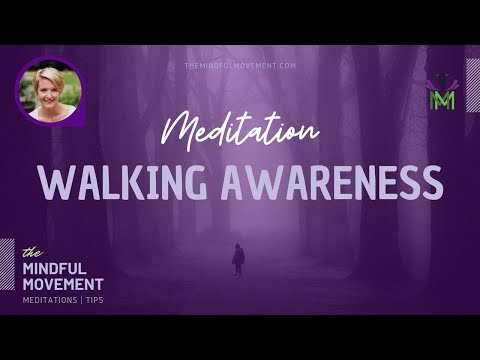
Walking meditation is a pretty fascinating practice within Buddhism that connects movement and mindfulness. It’s all about being present while you walk, and honestly, it can bring some real clarity to your mind. Let’s break it down!
What exactly is walking meditation? Well, it’s a type of meditation where you focus on the act of walking—feeling each step and the physical sensations as you move. You might be surprised at how much attention you can bring to something so everyday like walking.
Techniques for practicing walking meditation vary a bit, but here are some common ones:
- Slow and deliberate steps: Instead of rushing from point A to B, take your time! Each step can be an opportunity to connect with your body.
- Focus on your breath: Simply notice your inhalations and exhalations while walking. Feel how each breath interacts with your movement.
- Awareness of surroundings: Pay attention to what’s around you—sounds, smells, the feel of the ground beneath your feet.
When I first tried this, I was in a park and felt kinda silly at first. But as I got into it, noticing my feet touching the grass and listening to birds chirping felt surprisingly calming.
Now let’s talk about some benefits. People who practice walking meditation often report feeling less stressed. Here’s why:
- Improved focus: By honing in on the act of walking, your mind becomes clearer—like wiping fog off a mirror.
- Anxiety reduction: Engaging in mindful movement helps ground you in the moment which can ease racing thoughts.
- Mood boost: The combination of fresh air (if you’re outdoors) and mindful awareness can actually lift your spirits.
Plus, it’s not just about sitting still; moving meditations like these make it easier for people who find traditional seated meditation tough.
As for practicing, there’re no strict rules! You just need a space where you won’t be interrupted too much. Start slow; even five or ten minutes can be beneficial. As you get more comfortable, feel free to explore longer sessions.
Remember though: if you’re out there strolling through a busy street or park, just keep it simple—focus on each step while also being aware of what’s happening around you without getting lost in thoughts.
So next time you’re out for a walk—even if it’s just dashing to catch that bus—try turning it into a little mindfulness session! You might find those mundane moments transformed into something kinda special.
Exploring the Different Types of Walking Meditation: Techniques for Mindful Movement
Walking meditation is a fascinating practice that blends movement with mindfulness. It’s like taking a casual stroll but with a twist: you’re fully aware of each step, your surroundings, and your breath. So, let’s break this down into some simple techniques and ideas that can enhance your experience.
Basic Walking Meditation
This is probably the most straightforward form. You simply walk slowly and focus on each step. Pay attention to how your feet connect with the ground. Feel the pressure as you lift one foot and place it down again. The key here is to really stay present; if your mind starts wandering to grocery lists or what you’ll have for dinner, gently bring it back to your movement.
Four Corners Technique
Imagine you’re walking around a square—this technique involves identifying the four corners of an imaginary box and focusing on the transitions as you turn at each corner. Each turn is an opportunity to pause for a moment, breathe deeply, and then continue walking in other directions. This makes it not just about moving forward but about experiencing changes in direction too.
Breath Awareness
In this method, you synchronize your breath with your steps. For example, inhale for three steps, hold your breath for one step, and then exhale for three steps. This rhythm can cultivate a powerful state of calmness while connecting your body’s movements with your breath—it’s amazing how grounding this can feel!
Nature Immersement
If you have access to a park or trail, walking meditation becomes even more enriching! Listen to the birds chirping or the leaves rustling in the wind while you walk mindfully. It’s about letting nature wrap around you as you focus not only on moving but also on breathing in that fresh air which totally elevates the experience!
Sitting Walking Meditation
This one sounds odd at first but stick with me—it combines sitting and standing! You stand still for a moment to connect with your body before taking slow steps forward for several paces before returning to stillness. This practice helps deepen mindfulness by alternating between movement and stillness.
So why do people enjoy this? Well, apart from being good exercise—seriously, who doesn’t love feeling those muscles working?—it has psychological benefits too! Studies show that regular mindful movement can reduce stress levels and improve mood significantly.
Basically, walking meditation isn’t just about getting from point A to point B; it’s about being fully present during that journey. Whether it’s through basic techniques or immersive experiences in nature—you’ve got options! So next time you’re out for a walk, try bringing some mindfulness into it—you might be surprised at how much it changes things!
Exploring the Benefits of Walking Meditation with Headspace: Enhance Your Mindfulness Practice
Walking meditation is one of those practices that can really shift your perspective in a simple way. You might be familiar with seated meditation, where you sit still and focus on your breath. But walking meditation takes it a step further—you get to move while practicing mindfulness. And let me tell you, this can be so refreshing!
What’s the deal with walking meditation? Basically, it’s about paying attention to each step you take. You focus on how your feet connect with the ground and feel the rhythm of your breath as you walk. This connection between body and mind can help pull you out of racing thoughts or stress.
So, why might this be a good fit for you? For starters, movement can actually enhance mindfulness. When you’re walking, your body is engaged. This engagement helps keep distractions at bay since you’re not just sitting still waiting for thoughts to pop up.
- Improved Focus: Have you ever noticed how moving sometimes clears your head? Walking helps clear mental clutter because it keeps you connected to your environment.
- Reduced Stress: Get this: physical movement like walking releases endorphins—the feel-good hormones! So as you’re mindfully roaming around, you’re also boosting your mood.
- Physical Health: There’s that bonus benefit too! Regular walking keeps your body healthy and active while supporting your mental health at the same time.
- Cultivating Presence: Unlike sitting meditations, walking allows for a different kind of presence. Each step brings awareness back to the here and now—you become acutely aware of everything around you.
Let’s not forget how easy it is to incorporate into daily life! You don’t need special gear or quiet places; just step outside or even move around in a room if that’s what you’ve got. Picture this: maybe after a long day at work, you decide to take a stroll down the street instead of flopping onto the couch right away. That’s perfect! Just notice what’s happening around you—the rustle of leaves or the feel of pavement beneath your shoes.
Think about how we often rush through life without really being present. Walking meditation is like giving yourself permission to slow down—even if it’s just for ten minutes—and simply exist in that moment.
Using apps like Headspace can make this experience even more engaging. They often provide guidance that walks—pun intended—you through different meditative practices while focusing on movement.
Overall, exploring walking meditation could not only enhance your mindfulness practice but also help create new habits that support both mental clarity and emotional well-being. Whether it’s part of an established routine or something new for self-care, there’s definitely something beneficial about taking those mindful steps forward in life!
You know how sometimes life just feels like it’s racing by? We’re juggling a million things at once, and before you know it, you’re left feeling a bit… well, overwhelmed. That’s where concepts like mindful movement come in. Seriously, it’s pretty interesting! One way to practice this is through walking meditation.
Walking meditation is kinda like hitting pause on life for a moment. Picture yourself taking slow, intentional steps. It sounds simple, right? But there’s so much more to it. You pay attention to each footfall, the sensation of your feet touching the ground, the rhythm of your breath—stuff we usually overlook when we’re sprinting from point A to B.
A while back, I tried this myself when I was feeling all tangled up in my thoughts. I stepped outside and decided to give it a go. At first, it felt goofy. Like, am I really supposed to think about how my feet hit the pavement? But then something clicked. With every step, I noticed my shoulders relaxing and my mind quieting down a bit.
Highlighting the psychological benefits here is key! Engaging in mindful movement can boost your mood just as much as working out at the gym—minus all the sweaty grunting (unless that’s your thing!). It lowers stress levels by grounding you in the present moment and helps clear mental fog. You end up being more aware of not just your surroundings but also your emotions—a little mental check-in if you will.
And what’s cool is that it doesn’t require fancy yoga mats or meditation cushions; just some open space and your own two feet! You could find yourself strolling through a park or even around your living room while being totally absorbed in each step.
To wrap it up—well not really wrap but you get what I mean—walking meditation isn’t about perfection. There’s no right or wrong way to do it; it’s just about connection: with yourself and with the world around you. So next time life feels chaotic, maybe slip on some comfy shoes and head out for a mindful walk—you might be surprised at how refreshing it can be!