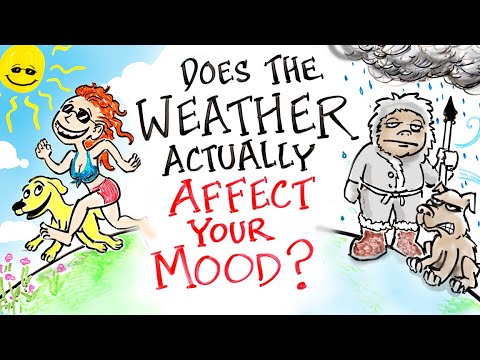
You know how some days just feel heavier? Like, the gray clouds outside kinda seep into your soul? Yeah, it’s not just you.
Weather can totally mess with your mood. Seriously! Ever notice how a sunny day makes you want to dance? But then there are those rainy ones where you just wanna curl up and binge-watch something cheesy.
So, let’s chat about how the weather impacts our feelings. It’s wild how something as simple as a thunderstorm or a bright blue sky can shift our emotional state. And trust me, it goes deeper than you’d think!
Exploring the Connection Between Weather Changes and Mood Swings: Insights and Implications
We’ve all been there, right? You wake up, peek outside, and suddenly your mood seems to take a nosedive or, on the flip side, shoot up like a rocket. Weather can have a pretty big influence on how you feel. So let’s chat about this connection between weather changes and mood swings.
Sunshine and Happiness. Think about those bright sunny days. Just seeing that golden light can boost your mood faster than you can say “ice cream!” It triggers your brain to release serotonin, that feel-good chemical. You might notice you’re more social, energetic, or just plain happy when it’s nice out.
Rainy Days and Gloom. On the other hand, it’s no secret that rain can sometimes make us feel down. The gray skies and wet conditions often lead to feelings of lethargy or sadness. Some people even experience what’s called Seasonal Affective Disorder (SAD), which kicks in during the darker months of the year. Essentially, less sunlight equals less serotonin—leading to mood dips.
Temperature Twists. Not just about sunshine or rain—temperature plays a role too! Extreme heat can make you feel irritable and anxious; think of those hot summer days when everything feels like it’s melting away! Conversely, cold temperatures might lead to feeling cozy but can also trigger feelings of isolation if you’re stuck indoors.
You know what else is interesting? It’s not just physical; there’s also an emotional component tied into this whole weather-mood relationship. I remember one particularly rainy week where I felt sluggish all day long—it seemed like everything was dampened by the weather. But then came a sunny weekend that flipped my outlook entirely! I got out for a hike, felt energized, and realized how massive that shift was thanks to sunshine.
The thing is, weather-induced mood changes remind us that while we can’t control the elements outside our windows, we can be mindful of how they affect us internally. There are lots of ways to cope with these fluctuations; for some folks it’s just recognizing what’s happening and adjusting their plans accordingly! For others, keeping active or practicing mindfulness helps combat those down days.
No matter what seasonal changes come your way—whether you’re jazzed about summer or dreading winter—you’ve got some control over your response! So next time gloomy clouds roll in and you’re feeling blue, remember: it’s normal—and maybe even temporary.
Understanding the Hormonal Triggers of Mood Swings in Women: Key Insights and Implications
Understanding the Hormonal Triggers of Mood Swings in Women can be a bit tricky, but it’s really all about how our bodies respond to different changes, especially hormonal ones. You know how you sometimes feel on top of the world, and then suddenly, bam! You’re feeling down? That’s often linked to hormonal fluctuations.
One major player in this whole mood swing saga is estrogen. It’s like this powerful hormone that impacts mood regulation. When estrogen levels rise and fall—like during your menstrual cycle—it can really affect how you feel. You might notice that just before your period starts, you feel more irritable or emotional. That’s not just in your head; it’s biology at work!
Another key hormone is progesterone. This one tends to rise after ovulation and can lead to feelings of fatigue and irritability when its levels drop right before your period. So there you are, dealing with the emotional rollercoaster not just because you’re human but because your body’s going through these changes.
And let’s not forget about cortisol—the stress hormone! It can skyrocket during times of emotional stress or even when the weather’s gloomy outside. So if it’s a cloudy day and you’re feeling blue, there might be more going on behind the scenes than just the dark skies.
When weather shifts happen—like those dreary rainy days—you might find yourself feeling more down than usual. There’s a link between weather-induced mood changes and our psychological state that can’t be ignored! For example, Seasonal Affective Disorder (SAD) affects many people during winter months when there’s less sunlight. The lack of light can lead to lower serotonin levels, which is another chemical connected to mood enhancement.
It gets interesting when you think about how these hormonal shifts combine with environmental factors. Say it’s rainy for weeks on end; if estrogen dips at that same time? Whoa! That combo might leave you feeling completely out of sorts.
But here’s the thing: understanding your body and its rhythms is powerful. Recognizing what time of month it is or noticing how certain weather patterns affect your energy can help you manage those tricky moods better. Maybe plan some self-care days right before that time of the month or when bad weather hits.
In summary, understanding the intricacies of hormonal triggers and their interplay with external factors like weather gives us crucial insights into our emotional lives. It helps unravel why we sometimes feel like we’re on a wild ride with our feelings and allows us to navigate them with a bit more grace—and maybe even humor!
Understanding Intense and Unstable Emotions: Causes and Insights for Better Emotional Health
Have you ever noticed how your mood shifts with the weather? One minute, you’re feeling chill and relaxed, and the next, a gray, rainy day pulls you down like a heavy blanket. Weather-induced mood changes are more common than you might think. It’s all tied up in our emotional landscape and how deeply we connect with the environment around us.
So what’s going on here? First off, let’s talk about intense and unstable emotions. They often spring from various factors, like stress or fatigue. But weather can also play a huge role. When it’s sunny outside, people tend to feel happier; when it’s gloomy, that happiness can fade away quickly.
Light exposure is a big player in this game. Sunlight helps your brain produce serotonin, often called the “feel-good” hormone. But when those cloudy days roll in and sunlight is scarce, it can feel like your mood has dropped right along with the temperature.
You know that feeling when you wake up to a bright sunny day? It’s almost infectious! You might have more energy or be in the mood to tackle that workout you’ve been putting off. In contrast, rain can bring about feelings of lethargy or sadness. It’s not just you—this emotional shift has real psychological effects!
- Cognitive Function: Gloomy weather can cloud your thinking too! You may find it harder to concentrate or make decisions.
- Social Interactions: When it’s nice out, you’re likely feeling friendlier and more open to socializing. Rainy days might make you want to curl up alone with Netflix instead.
- Anxiety Levels: For some people, changes in weather might trigger anxiety. Think of those stormy nights when thunder rolls—some folks feel an intense swell of unease!
This all ties into something called Affective Response Theory. Basically, this theory says our emotions are closely linked with our environment. The shifting weathers influence our internal states more than we’d like to admit! It explains why some days feel like a rollercoaster ride of feelings—beautiful one minute and stormy the next.
If you’re someone who experiences these ups and downs regularly because of the weather—or maybe even without clear reason—it could be a signal for healthier emotional habits. Recognizing that these changes are normal is key! Try connecting with activities that lift your spirits during down days: take a walk indoors during rainy spells or create your own sunshine by brightening up your space.
If things get overwhelming or persistent as seasons change or storm clouds gather above — talking it out with someone can seriously help sort those feelings out.
The important takeaway here is that emotions will shift just like the weather forecast—better understanding them gives you tools for navigating through cloudy times while still enjoying sunny moments!
You ever notice how some days just seem to bring you down a little more than others? Yeah, I get it. That dreary gray sky can do a number on your mood, right? It’s wild how much weather influences how we feel. There’s this real connection between the environment outside and the emotions swirling around inside our heads.
Think about it: on sunny days, you probably feel more energetic and ready to take on the world. Maybe you even daydream about spontaneous adventures or grabbing ice cream with friends. But when the rain starts pouring, things shift. You might find yourself feeling more introspective or even a bit low. It’s not just in your head—there’s actual research showing this stuff!
Like, seasonal affective disorder (SAD) is a pretty well-known condition that kicks in during the darker months. People struggle with sadness and lethargy when there’s less sunlight. And honestly, it makes sense! Sunlight helps produce serotonin, that happy chemical in our brains.
Then again, too much of that relentless sunshine can feel oppressive at times. You know those super hot days where you just want to hide inside with an ice-cold drink? I remember a summer where the heat was almost unbearable; I found myself feeling irritable and restless just being stuck inside with nowhere cool to go.
Temperature matters too! You might not realize it but really cold weather can make you want to hibernate—those cozy nights wrapped in blankets sound appealing until they become days where you avoid stepping out at all! The thing is, weather affects our social interactions too. Rainy days tend to keep people indoors away from socializing which can amplify feelings of loneliness.
So yeah, it’s fascinating—weather not only affects our mood but also shapes our behavior and how we connect with others. A simple sunny day could lead to spontaneous hangouts while rainy afternoons might have us binge-watching shows solo on the couch.
Just remember that it’s totally normal to ride those emotional waves that come with unexpected changes in weather patterns! What matters is recognizing how these shifts resonate with us personally—you know? That way we can either embrace them or find ways to cope when they aren’t so great!