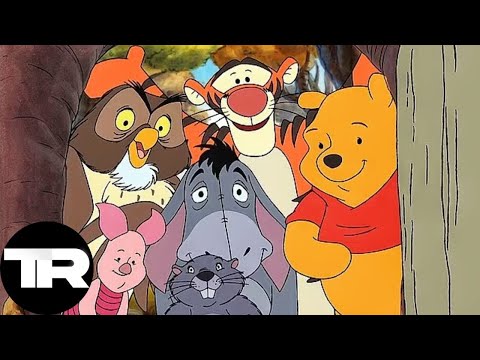
So, you know those days when you just wanna escape into a world of honey and friendship? Yeah, I’m talking about the Hundred Acre Wood and our favorite gang of misfit pals—Winnie the Pooh and his crew.
I mean, each character has their own vibe, right? They totally embody different sides of us. Like, who doesn’t have a bit of Eeyore’s gloom or Tigger’s bounce hiding inside them?
It’s wild how these seemingly simple characters reflect our own struggles and joys. And honestly? There’s a lot we can learn from their quirks.
So grab some honey (or your favorite snack), and let’s dive into what makes Pooh and his friends tick. Trust me, it’s gonna be fun!
Exploring the Personality Traits of Winnie the Pooh Characters: Insights and Analysis
Exploring the personality traits of characters from Winnie the Pooh is like stepping into a little world where each character reflects different aspects of human nature. These traits can teach us a lot about ourselves. So, let’s break down some of these beloved characters and see what makes them tick.
Winnie the Pooh, the bear himself, is often characterized by his easygoing nature and love for honey. He embodies a kind of gentle optimism. Pooh doesn’t overthink things much; he just goes with the flow, which is super relatable, right? This simplicity can remind us to savor life’s moments rather than stress over every little detail.
Then you have Tigger. Oh boy, Tigger is like a bundle of energy! He’s enthusiastic and loves bouncing around, but he’s also a bit reckless. While his excitement brings joy, it can also lead to trouble since he often doesn’t consider others’ feelings. Tigger teaches us about the importance of zest for life but also highlights the need for balance and awareness in our actions.
Next up is Eeyore, who seems to have that cloud hanging over him all the time. He represents feelings of sadness and pessimism that many people face at times. Eeyore often sees the glass as half empty, but there’s something heartwarming about him too—his friends always rally around him, showing that support matters when someone feels down.
And then there’s Piglet. Piglet is gentle and anxious but shows such great loyalty to his friends. His small stature might make him seem timid, but he proves that courage comes in all shapes and sizes. Piglet teaches us that even small acts of kindness can create big impacts and how important it is to be there for someone else.
Finally, Rabbit stands out with his practicality and occasionally uptight demeanor. He’s responsible and likes things orderly—sometimes too much so! Rabbit shows how being organized has its benefits, but he also reminds us not to take ourselves too seriously all the time; it’s okay to step back and have fun occasionally.
When you look at these characters together, it’s like they’re each a piece of a puzzle representing different human emotions and behaviors. They illustrate how complex we all are—sometimes we’re like Pooh’s simplicity or Tigger’s exuberance; other times we relate more to Eeyore’s melancholy or Rabbit’s strictness.
In summary, exploring these traits not only enhances our enjoyment of these stories but also gives us insights into our own personalities and behaviors. So next time you watch or read about Winnie the Pooh and pals, think about what parts resonate with you!
Exploring Piglet’s Behavior: Understanding Anxiety Disorders in Fictional Characters
Piglet, the small pink pal from Winnie the Pooh, has a lot going on under that cute little face. If you’ve ever watched him in action, you might notice he often seems nervy or hesitant. This isn’t just plot fluff; it’s a genuine reflection of anxiety that many of us can relate to in real life! So let’s dig into that a bit.
1. Piglet’s Anxiety Traits:
Piglet often displays signs of anxiety disorders, like general nervousness and fearfulness. He tends to worry about various scenarios—what if the wind is too strong? What if he gets lost in the Hundred Acre Wood? These thoughts can spiral out of control, which is pretty common for people dealing with anxiety.
2. Avoidance Behavior:
One thing Piglet does quite frequently is avoid situations that make him anxious. For example, when faced with a big task or challenge, he sometimes opts out rather than facing his fears head-on. This kind of avoidance might feel familiar if you’ve ever dodged things like public speaking or trying something new because your stomach felt like it was tied up in knots.
3. Seeking Reassurance:
Like many who struggle with anxiety, Piglet often seeks affirmation from others. He’s constantly looking for validatation from Pooh and his friends to calm his worries—a behavior that echoes the need some individuals have for support when feeling overwhelmed. Having someone reassure you can provide relief; it makes facing fears a bit easier.
Anecdote Time:
I remember this one time when I had to give a presentation at work. My heart was racing and my palms were sweaty—classic signs of anxiety! Just like Piglet before a big event, I kept worrying about what could go wrong. Fortunately, my friend reminded me I’d prepared well and that helped me find some calm amidst the chaos!
4. Coping Mechanisms:
Throughout the stories, we also see Piglet use different coping strategies to handle his anxiety—even if they aren’t always effective! Sometimes he distracts himself with happy thoughts about friends or adventures, much like how people might resort to hobbies or mindfulness practices to manage stress.
The Importance of Community:
Piglet’s interactions with Pooh and the rest of their crew highlight how community support can make a world of difference for those dealing with anxiety disorders. Just knowing there are pals around who care can ease burdens tremendously—even if you’re feeling small or scared.
Piglet’s character resonates because so many individuals relate to his struggles. Anxiety isn’t just confined to real life; it’s part of various narratives we see in fiction too! By understanding characters like Piglet better, we gain insights not only into them but also into ourselves and how we manage our feelings.
This exploration sheds light on how fictional characters can mirror real mental health challenges—sometimes it’s comforting to know you’re not alone in how you feel!
Exploring the Mental Health Themes of Kanga and Roo in Winnie the Pooh: A Psychological Perspective
Winnie the Pooh isn’t just a charming story for kids; it’s packed with emotional depth and psychology, especially when you focus on characters like Kanga and Roo. These two embody themes of attachment, care, and the complexities of growing up.
Kanga is the quintessential mother figure. She represents nurturing and support. You can see this in how she takes care of Roo, always looking out for him and providing comfort. This relationship highlights the importance of a secure attachment style. A secure attachment often leads to healthier emotional development in children. Think about it: when you feel safe and loved, you’re more likely to explore the world confidently.
Now, Roo, on the other hand, is all about curiosity and innocence. He embodies that childlike wonder that makes learning an adventure. But there’s more beneath the surface here! Kids like Roo face fears as they grow up—like being away from their parents or facing new experiences without them. His occasional anxiety moments when separated from Kanga show this struggle. It’s a normal part of development; most kids experience similar feelings as they learn to navigate independence.
There’s also a beautiful dynamic between them that emphasizes social learning. Kanga teaches Roo about empathy by encouraging him to be kind to others in their community. So you have this mix of maternal love intertwined with lessons on friendship and social interaction.
Another thing that pops out is how Kanga maintains her identity outside of being just a mom. She has her own personality traits—strength, patience, and wisdom—that shine through even while caring for Roo. This balance fosters not just dependent behaviors in Roo but also teaches him resilience.
When we look at their interactions alongside characters like Pooh or Piglet, we notice even deeper connections between family dynamics and friendships. They all help each other deal with individual worries—like Pooh’s occasional confusion or Piglet’s anxiety—which creates a supportive network.
In short, Kanga and Roo aren’t just cute characters; they represent crucial psychological themes regarding attachment, growth, and community support. Their journey together shows us how these bonds are essential for emotional health as we grow up! So next time you read or watch Winnie the Pooh, take a moment to appreciate this rich tapestry of human experience woven into their story—it’s more than just simple fun!
Winnie the Pooh and his friends are such a delightful bunch, right? Each character is like a little personality that we can relate to in some way. It’s amazing how these simple, fluffy creatures from a children’s book can mirror real human emotions and traits.
Take Pooh himself, for example. He’s often seen as the epitome of carefree living. He loves his honey, enjoys his nap times, and seems to embody a kind of gentle optimism. You know how sometimes life can feel overwhelming? When you’re looking for comfort or just a moment of bliss? Pooh reminds us that it’s okay to take things slow and savor the sweet moments. His laid-back attitude can be so refreshing.
Then there’s Piglet, who’s seriously adorable but also represents anxiety. It’s interesting how he worries about everything from the weather to whether his friends will still like him. Maybe you have that friend who overthinks every little situation—like wondering if they texted too quickly or said something embarrassing at dinner. That’s Piglet in a nutshell! Still, despite his fears, he shows immense courage when it really counts.
Now let’s chat about Tigger! He’s energetic and bouncy, always ready for an adventure. His exuberance reminds me of those people in our lives who just seem to light up every room they walk into. But Tigger also has this whole thing about being impulsive… like not always thinking things through before leaping into action. We’ve all had those moments where we dive headfirst into something without considering the consequences—and then realize we might’ve jumped too soon!
Eeyore is another fascinating character because he represents sadness and melancholy in a really relatable way. Life isn’t all sunshine and rainbows, right? We all have days when we feel like Eeyore—grumpy and unmotivated. What I love about him is how honest he is with those feelings rather than pretending everything’s okay. There’s beauty in vulnerability.
And then there are characters like Owl, who thinks he knows everything but sometimes gets things hilariously wrong! It kind of showcases that tendency some people have to come off as wise but can miss the mark completely when it comes down to it—like your friend who gives relationship advice even though they’re single.
Each of these characters has their quirks, fears, strengths, and weaknesses that make them rich symbols of human behavior. They remind us that life is colorful and complex—that we’re all just trying our best to navigate it together with our own unique blend of traits. So whether you relate more to Pooh’s chill vibe or Eeyore’s introspective nature, there’s definitely a bit of each character within us all!