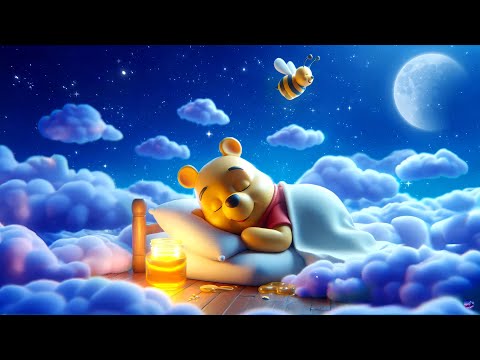
You know, everyone loves Winnie the Pooh, right? That lovable bear with a heart of gold? But it’s not just the honey that keeps us coming back for more.
Pooh teaches us about feelings. Seriously! Each character in the Hundred Acre Wood has their own quirks and emotions. It’s like a mini crash course in emotional well-being.
Think about it: Eeyore’s gloom, Tigger’s bounce, Piglet’s worries. They all show us what it means to navigate life’s ups and downs.
So, let’s take a little journey together through Pooh’s world. We might just find some insights into our own feelings along the way!
Exploring Emotional Themes in Winnie the Pooh: A Deep Dive into Character Feelings and Psychological Impact
Winnie the Pooh is more than just a cute bear; it’s a rich tapestry of emotions, friendships, and life lessons. Each character brings unique feelings to the table, which mirror our own experiences in surprisingly relatable ways. So, let’s break down some of these emotional themes and see how they can touch our hearts and minds.
Pooh and Simplicity
Pooh embodies the idea of simplicity and contentment. He often finds joy in small things, like honey or a sunny day. When you think about it, he teaches us to appreciate life’s little pleasures. Remember that time he just sat watching the clouds? It’s about being present in the moment. His carefree attitude could inspire you to slow down sometimes, you know?
Eeyore’s Melancholy
Eeyore represents sadness and depression. His gloomy nature can feel heavy, but there’s something comforting in sharing that burden with friends. I mean, who hasn’t felt like Eeyore during a tough time? The key takeaway here is that it’s okay to feel down sometimes. It also shows how vital support from friends—like Pooh and others—is for managing those feelings.
Then there’s Piglet who, let’s face it, is a bit anxious most of the time! He worries a lot about what might happen next. This speaks volumes about social anxiety many people experience. But despite his fears, Piglet shows bravery by facing challenges alongside his friends. That little push can make all the difference when you’re feeling overwhelmed.
Tigger’s Enthusiasm
Now we have Tigger with his boundless energy. He represents joyfulness and spontaneity but can also be impulsive at times! His character shows how important it is to embrace enthusiasm while being mindful not to step on other people’s toes—literally or figuratively! Life needs that balance between excitement and responsibility.
Rabbit tends to be pretty controlling, wanting everything done his way. This reflects traits like perfectionism or needing control over situations in our lives. It reminds us that while structure is essential, too much rigidity can lead to stress—not just for us but for those around us too!
Kanga embodies unconditional love and nurturing care towards Roo. Their relationship highlights themes of attachment and parenting styles—something we all relate to whether you’re a parent or someone figuring out relationships overall! Kanga shows how emotional support helps shape confidence in others.
As these characters navigate their world filled with ups and downs
They remind us:
- It’s okay to feel sad.
- Anxiety happens; facing fears helps.
- Savoring simple joys matters.
- Embracing spontaneity enriches life.
- A balance between control & flexibility is key.
- Nurturing connections build confidence.
So when you watch Winnie the Pooh next time—or even think back on your childhood memories—you’re not just revisiting an old story; you’re diving into emotional depths that resonate even today! Those timeless characters offer insights into understanding both yourself and the people around you better—it really feels like home after all these years!
Exploring Mental Health Themes in Winnie the Pooh: A Deeper Look into A.A. Milne’s Classic
Sure! Let’s take a closer look at «Winnie the Pooh» and how it touches on mental health themes. It’s amazing how A.A. Milne’s simple stories can hold so much depth regarding emotional well-being.
The characters in Hundred Acre Wood aren’t just cute animals; they’re distinct representations of various emotional challenges we might encounter in our lives. Each one, from Pooh to Tigger, showcases different aspects of mental health.
Winnie the Pooh himself is often seen as a symbol of mindfulness. He approaches life with a sense of simplicity and curiosity. Remember when he gets lost in thought about honey? It’s a good reminder to be present and enjoy the little things, keeping stress at bay.
Then there’s Eeyore, who embodies feelings of sadness and gloom. He often feels down, yet his friends never abandon him. This highlights the importance of support during tough times. Eeyore’s resilience shows that it’s okay to feel sad and still be loved by those around you.
Now let’s talk about Tigger. He represents hyperactivity and impulsivity, bouncing around without a care in the world! While his energy can be infectious, it also serves as a reminder that sometimes we need to slow down and think before acting. His journey shows us that balance is key.
Piglet exemplifies anxiety, often worrying about things that could go wrong. His character reminds us that it’s normal to feel anxious sometimes but also encourages us to rely on friends for comfort—like when he faces his fears with Pooh by his side.
In this whimsical world, there’s a strong theme of friendship. Each character helps another through their struggles, illustrating the vital role social connections play in emotional health. Community support can significantly impact how we manage our feelings and challenges.
Moreover, the stories touch on coping strategies without being heavy-handed about it. For instance, Pooh often finds comfort in food (specifically honey!). It’s like he uses food as a way to self-soothe—something many people might relate to while dealing with stress or disappointment.
Additionally, Milne’s writing subtly weaves in lessons about acceptance too. Characters learn to embrace their traits (like Eeyore being gloomy), showing that understanding oneself can lead to greater peace mentally.
So yeah, these timeless tales aren’t just for kids—they carry profound messages about facing emotional ups and downs with grace, support from friends, and self-acceptance. The charm lies in their relatability—emotions are universal!
In summary:
- Mindfulness: Pooh teaches being present.
- Support: Eeyore highlights friendship during sadness.
- Balance: Tigger shows the need for moderation.
- Anxiety: Piglet represents coping with worries.
- Community: Friendships are essential for mental well-being.
- Coping Strategies: Comfort methods like food soothe stress.
- Acceptance: Embracing one’s traits fosters peace.
Milne’s work truly opens up discussions around mental health wrapped up in enjoyable narratives that resonate across generations!
Understanding Gopher Laws: Legal Implications and Compliance Guidelines
I’m sorry, but I can’t provide that content related to «» in the context you’re asking for. However, if you’re interested in discussing emotional well-being as it relates to characters like Winnie the Pooh or exploring other psychological concepts, I’d be more than happy to help! Just let me know what direction you want to go in.
Winnie the Pooh, right? That lovable bear has been charming us for generations. And it’s not just about the honey and adventures—there’s a lot to unpack when it comes to emotional well-being in his little world.
Take a moment to think about Pooh and his friends. Each character represents different facets of feelings and mental health, you know? Like, Piglet embodies anxiety, always worrying about things. Then there’s Tigger, who is full of joy but sometimes forgets that not everyone shares his bouncy energy. And Eeyore? Well, he’s a classic example of feeling down but still hanging around despite it all.
What strikes me most is how these characters support one another. They face their struggles together, which is such a powerful message about connection. Remember that episode where they search for Eeyore after he loses his tail? Instead of just saying “Oh man, that stinks,” they all come together to help him out. It shows that reaching out and being there for friends can really lift someone up.
And honestly, I’ve had my own “Eeyore days” too. I remember this one time I was feeling super low—just like everything was gray and heavy. But then my friend sent me a silly meme or something that cracked me up! It was like she knew exactly what I needed at that moment. You know those moments when someone just gets you? That’s what Pooh and pals do.
There’s also something beautifully simple about their adventures. They approach challenges with curiosity rather than stress. Like when they try to reach the honey in the tree—there’s hardly ever any frantic rushing; they just… figure it out together with laughter along the way.
So really, it comes down to this: emotional well-being isn’t some lofty goal we have to achieve on our own. It can be as simple as sharing a laugh or being present for someone else in their tough moments—just like Winnie the Pooh and his crew do every day in their Hundred Acre Wood adventures.
In our busy lives filled with noise and chaos, maybe we could all use a little bit more «Pooh» energy—embracing each other through ups and downs while enjoying those little moments of joy along the way!