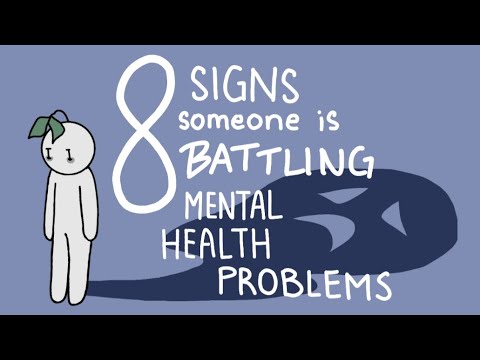
Work is more than just a place to clock in and out. You know? It’s a whirlwind of feelings.
Ever noticed how your mood can change just by walking into the office? Like, one minute you’re feeling pumped, and the next, someone’s comment just knocks the wind out of you.
We spend so much time at work, yet we often overlook how our emotions dance through those hours. Seriously, it’s like a whole emotional rollercoaster!
Let’s chat about how these vibes affect us and our teams. Spoiler alert: it’s deeper than you think! So grab your favorite drink, and let’s dive into this emotional landscape together.
Exploring Team Dynamics: 5 Key Examples in the Workplace Environment
Team dynamics can really shape how a workplace functions, you know? It’s all about how people interact, communicate, and work together toward common goals. When you get the emotional side of things right, everything runs smoother. Here are five key examples of team dynamics that can really impact a workplace environment.
1. Communication Styles
Teams often have different communication styles. Some folks are straight to the point while others like to elaborate more. For instance, in a project meeting, someone might prefer bullet points while another wants detailed explanations. This can create misunderstandings or even frustration if not managed well. The thing is, recognizing and adapting to these styles is crucial for maintaining harmony.
2. Trust and Vulnerability
Trust is like the glue that holds a team together. Think about it: if you feel safe sharing your ideas or concerns without being judged, you’re more likely to contribute fully. On one hand, when team members show vulnerability—like admitting they made a mistake—it encourages others to be open too. But if trust is lacking, people might hold back their thoughts out of fear of criticism.
3. Conflict Resolution
Every team faces conflicts; it’s inevitable! But how those conflicts are handled can make all the difference. For example, if two colleagues disagree on how to approach a project and resolve it through open discussion, the outcome could lead to innovative solutions and stronger relationships! However, avoiding conflict or allowing it to fester leads to resentment and disengagement.
4. Diversity in Perspectives
Diversity isn’t just about race or gender; it’s also about having varied perspectives on problems! A mixed group will bring different ideas and creative solutions to the table. Say you’re brainstorming for a marketing campaign—a diverse team might consider angles that others wouldn’t even think of! Embracing this variety contributes positively to emotional dynamics as everyone feels valued for their unique contributions.
5. Leadership Styles
The way leaders manage their teams significantly affects dynamics too! Some leaders are hands-on and involved in every detail; others take a step back, allowing teams more autonomy.
For instance: imagine having a micromanaging boss versus one who trusts you completely—you’d likely feel more empowered under the latter!
Your emotional response plays into these interactions as well—you know? Overall, understanding these dynamics helps create an environment where everyone feels supported and engaged.
Understanding the Three C’s of Meaningful Work: A Guide to Fulfillment in Your Career
Finding fulfillment in work is such a crucial part of our lives, isn’t it? We spend so much time at our jobs that it really makes a difference when we feel satisfied and connected. When we talk about meaningful work, a lot of people refer to something called the Three C’s: Contribution, Connection, and Competence. Let’s break these down.
Contribution is all about feeling like what you do matters. Think about it: Have you ever worked on a project where you could see your efforts making a real difference? For example, someone who helps others, like a nurse or teacher, often feels that sense of contribution every day. It’s like that warm glow when you know your work impacts someone else’s life.
The second C, Connection, refers to the relationships you build at work. Having friends or supportive colleagues around makes all the difference! It’s not just about sharing coffee breaks; it’s having people to lean on during tough times. Remember that time when your coworker helped you through a stressful deadline? That connection can boost your job satisfaction and make everything feel more worthwhile.
Finally, there’s Competence. This one hits home for many—it’s all about feeling capable in what you do. If you’ve ever nailed a presentation or solved a tricky problem at work, you probably felt on top of the world! When you’re good at what you do, it can lead to more confidence and motivation. Plus, learning new skills can open doors and keep things exciting.
The three C’s often interlink with each other too. Let’s say you’re working on a team project (Connection) where your input truly shapes the outcome (Contribution), and as you push through challenges together, your skills grow (Competence). It’s like this beautiful feedback loop that keeps feeding into itself.
Pursuing meaningful work isn’t always straightforward though; sometimes we face obstacles that make us question our purpose or even our abilities. Factors like workplace culture or personal challenges can throw us off track. But understanding these Three C’s can be empowering for anyone looking to find deeper satisfaction in their careers.
If we keep these concepts in mind—how we contribute, who we’re connected with, and how competent we feel—we can navigate our careers with more intention and hopefully end up in roles that light us up inside!
Understanding Workplace Dynamics: Key Examples and Insights for Effective Team Collaboration
Workplace dynamics can be a tricky landscape to navigate. It’s the invisible web of relationships, emotions, and ongoing communication that can really shape how well a team works together. You know that feeling when you’re in a meeting and it just clicks? Or on the flip side, when tensions are so thick you could cut ‘em with a knife? Yeah, that’s all about those emotional dynamics at play.
When it comes down to team collaboration, understanding these dynamics is key. Think about it: if one person is feeling anxious or undervalued, that can affect everyone else too. It’s not just about roles and responsibilities; it’s also about how people connect on an emotional level.
So, here are some key points to consider:
- Communication Styles: Everyone has their own way of expressing themselves. Some folks are direct and to the point, while others might be more indirect or prefer to approach things gently. Recognizing this can help prevent misunderstandings.
- Emotional Intelligence: This one’s huge! People who are emotionally intelligent can read the room better than others. They notice when something’s off—maybe a colleague is unusually quiet or seems frustrated—and they know how to respond appropriately.
- Cultural Differences: Teams today are often diverse in many ways. Different cultures might have distinct norms regarding communication and collaboration. For instance, some cultures might prioritize teamwork over individual achievement while others might focus on personal responsibility.
- Conflict Resolution: Conflicts can arise in any setting, but the key is how they’re handled. A healthy approach involves listening actively and seeking mutually beneficial solutions instead of letting disagreements fester.
- The Role of Leadership: Leaders set the tone for workplace dynamics! When they model open communication and show appreciation for their teams’ contributions, it encourages a positive atmosphere.
Picture this: you’ve got two team members who just don’t see eye to eye on a project. Instead of letting things simmer, a good leader might step in to facilitate a conversation between them—acknowledging their feelings while also steering them toward common ground. This not only resolves the issue but can actually strengthen their working relationship.
Another example? Let’s say someone on your team tends to take feedback personally—that can lead to tension if left unchecked. But if you make an effort to frame feedback positively and focus on growth rather than criticism, you help create an environment where everyone feels safe sharing ideas.
In conclusion (well, I guess that’s my version of it), workplace dynamics aren’t just about tasks—they’re about people interacting with one another emotionally. By being aware of these factors—communication styles, emotional intelligence, cultural backgrounds—you set your team up for success! Seriously, understanding these emotional currents makes all the difference in fostering effective collaboration!
So, let’s talk about emotions in the workplace. You know, it’s not just about crunching numbers or meeting deadlines. Seriously, our feelings play a massive role in how we function at work. Think back to a time when you felt super stressed about a project. Remember how your mood affected both your productivity and your interactions with colleagues?
Emotions are contagious, right? You walk into the office and you can instantly sense the vibe. If someone’s feeling down or frustrated, it can spread like wildfire. Suddenly, the whole team is sluggish and unmotivated. But on the flip side, if one person is pumped about a new project, it can boost everyone else’s spirits too! That’s the emotional dynamics at play.
Also, let’s not forget how emotions influence decision-making. When we’re anxious or overwhelmed, our minds can get foggy. You might find yourself making choices that aren’t exactly stellar just because you’re trying to escape that stress—like just wanting to get things over with instead of thinking things through. And then there are those moments when excitement or passion drives us to take risks that could end up being amazing for our career growth.
It hits home when you think about conflict too. Have you noticed how misunderstandings often boil down to emotional reactions? Someone feels slighted over an offhand comment during a meeting and suddenly there’s tension between teammates that didn’t even exist before! It makes you realize that being mindful of our emotions—and those of others—can be a game-changer for maintaining harmony at work.
But here’s where it gets interesting: emotional intelligence is key! Being aware of your own feelings and recognizing how others feel can totally transform interactions in an office setting. It means knowing when to push through for deadlines and when to step back because someone needs support or simply a listening ear.
So yeah, next time you’re at work feeling overwhelmed or excited—or even frustrated—remember it’s all part of this intricate dance of emotions going on around you. Just try to be conscious of how you contribute to the mix because together we build the workplace vibe! And honestly? It can make all the difference in creating an environment where everyone thrives.