Have you ever noticed how some people at work just click, while others seem to clash? It’s wild, right?
Well, that’s all about personality dynamics.
You know, it’s like when you’re trying to figure out why your buddy always jokes around while another colleague takes everything super seriously.
Spoiler alert: it often comes down to personality.
Think of it this way. If we could peek inside our own heads and understand what makes us tick, imagine how much smoother things could go at the office!
Personality assessments are like a compass for navigating those tricky workplace waters. So let’s dig into this and see how it can help make sense of the chaos!
Unlocking Workplace Potential: The Advantages of Personality Tests for Employee Performance and Team Dynamics
So, let’s talk about personality tests in the workplace. You might think they’re just another HR gimmick, but honestly, they can be pretty insightful when it comes to improving employee performance and team dynamics. You know how some people click really well while others just don’t? That’s where these tests come into play.
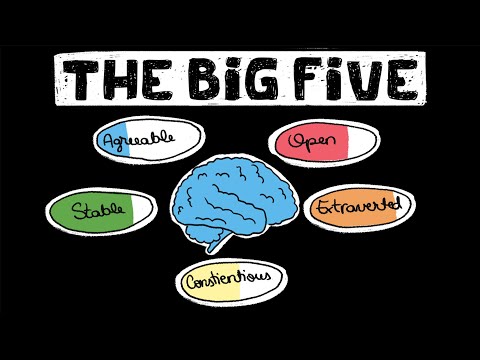
First off, what exactly do personality tests measure? They assess various traits, like how introverted or extroverted someone is, how they make decisions, and even how they interact with others. This info can help managers see where each person shines and where they might struggle.
- Improved Communication: Understanding different personalities can boost communication. For example, if you know someone on your team thrives in collaborative settings but another prefers solo work, you can tailor your approach to fit their needs better. Like I once worked with a guy who was super detail-oriented while I was more of a big-picture thinker. Knowing that helped us balance our tasks effectively.
- Enhanced Team Dynamics: When everyone knows their roles based on personality traits, it makes teamwork smoother. Imagine having a team full of assertive leaders—things could get chaotic! But if there’s a mix of leaders and supporters, things flow much better. The balance can actually lead to more innovative ideas.
- Better Conflict Resolution: Let’s face it—conflict happens. Personality assessments give insight into why certain clashes arise. For example, an analytical person might not mesh well with someone who leans towards spontaneity but knowing this dynamic helps in resolving issues before they escalate.
- Increased Job Satisfaction: When employees are placed in roles that align with their personalities, job satisfaction skyrockets! A researcher once found that workers who felt their strengths were recognized were far more engaged than those who didn’t. Happy employees are productive employees!
The beauty of using these assessments lies in the fact that you’re not just throwing people into roles blindly; you’re making informed choices based on real data about who they are as individuals.
But hold up! It’s crucial to remember that while personality tests provide valuable insights, they should never be the sole factor in hiring or promotions. People are complex! These tools work best when combined with other methods like interviews or performance reviews.
In summary, tapping into personality assessments can be a game-changer for both individual performance and overall team health in the workplace. With improved communication, enhanced team dynamics, better conflict resolution skills and increased job satisfaction—what’s not to love?
Analyzing the Impact of Personality Tests on Workplace Dynamics and Employee Performance
Personality tests in the workplace have become a common tool for many companies. These assessments aim to give insights into employees’ traits, behaviors, and motivations. But what’s the real impact they have on **workplace dynamics** and **employee performance**? Let’s break it down.
First off, personality tests can help in **hiring**. Imagine a company trying to fill a position that requires teamwork. By using a personality assessment, they can identify candidates who score high in traits like agreeableness and collaboration. This approach can lead to better team cohesion because the right people are put together from the start.
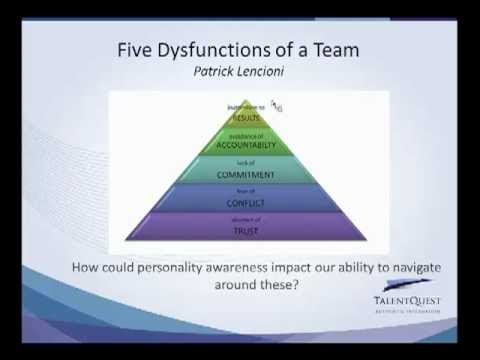
Another thing is how these tests influence **team dynamics**. If team members understand each other’s personalities, it opens up channels for better communication. For example, if one person thrives on structure while another prefers flexibility, awareness of these differences helps them navigate conflicts more effectively. Essentially, they learn to appreciate each other’s styles instead of clashing.
Of course, there are some challenges too! One major issue is when employees feel boxed in by their test results. Like, if someone identifies as introverted based on a test score, they might shy away from opportunities that require more social interaction even if they could handle it well. That kind of label can limit growth and development.
It’s also important to consider the potential for **bias** in these assessments. Some tests may favor certain traits over others based on cultural or organizational norms. This could impact diversity in hiring practices or internal promotions if not handled carefully.
But here’s something interesting: Personality tests can provide insights into **employee motivation**. Understanding what drives your team—be it achievement, recognition, or security—can help managers design roles and incentives that truly resonate with their employees’ needs.
Now think about feedback and performance evaluations for a moment. If performance reviews incorporate personality insights, managers might tailor feedback more effectively! For instance, knowing someone has a high score in conscientiousness might mean they respond well to structured feedback versus casual chats about improvements.
But let’s also talk downsides again; there’s the risk of over-reliance on these tests during evaluations or promotions—even though human behavior is too complex to be distilled into just a few categories! Relying solely on tangibles like scores can overlook personal experiences and situational factors that play huge roles in performance.
In wrapping this up: Personality assessments do have an impact—both positive and negative—on workplace dynamics and employee performance. They can enhance hiring processes and improve team interactions but must be used wisely without boxing individuals into strict labels or overlooking their unique qualities.
So yes, personality tests are tools—but tools need careful handling! Understanding their role fully ensures you’re not just checking boxes, but actually cultivating an environment where everyone can thrive together.
Exploring the Disadvantages of Personality Tests in Employee Selection and Development
Personality tests have become a pretty popular tool in workplaces, used for everything from hiring to developing employees. But while they can offer some insights, there are definitely disadvantages to relying on them too much. Let’s break it down a bit.
First off, these tests can be overly simplistic. People are complex beings with a mix of traits that can’t always be captured by a few questions or scales. For example, let’s say someone scores high on the “extroversion” scale. It doesn’t automatically mean they’ll excel in team settings or lead effectively. That’s just one piece of the puzzle, you know?
Another concern is the potential for bias in these assessments. Depending on how questions are framed, certain cultures or backgrounds might resonate more with them than others. This could lead to unfair evaluations and even missing out on talented individuals who don’t fit the typical mold the test expects.
Moreover, consistency and reliability can also be an issue. Maybe you took a test today and felt completely different than you did last week when you took it. Mood swings happen! If people don’t feel like themselves during testing, their results won’t reflect their true capabilities.
Then there’s the question of misuse by employers. Some organizations might use personality tests as their main decision-making tool instead of combining them with interviews and other assessments. This can lead to overlooking skills or experiences that don’t show up on paper but are still super valuable.
And let’s not forget about the ethical side of things! Relying too heavily on personality assessments might feel like you’re putting people in boxes—like, “you’re this type; therefore, you should only do this job.” That’s not fair to anyone trying to expand their horizons or grow within a role.
Lastly, there can be a lack of transparency regarding how these tests are designed and scored. If candidates don’t understand what traits they’re being evaluated on or how those traits relate to success at work, it creates confusion and even distrust toward the hiring process.
To wrap it all up:
- Simplistic assessment: Oversimplifying human complexity into rigid categories.
- Potential bias: Some groups may not resonate equally with test frameworks.
- Lack of consistency: Test results may fluctuate based on mood or circumstances.
- Misdirected focus: Relying solely on tests can overlook real-world skills.
- Ethical concerns: Risking pigeonholing candidates into narrow roles.
- Lack of transparency: Confusion surrounding test design and scoring affects trust.
So yeah, while personality tests might offer some interesting insights into workplace dynamics, they’ve got serious downsides worth considering if we want to make informed decisions about our teams!
So, let’s chat about workplace dynamics—those subtle yet powerful interactions happening every day in an office. You know, the unspoken rules and vibes that dictate how we collaborate, communicate, and even compete with one another? It’s like a daily soap opera, just with more coffee and fewer dramatic monologues.
Now, personality assessments can really shine a light on these dynamics. They’re not just some corporate buzzword or a box to check during onboarding. They help you understand yourself and your colleagues on a deeper level. I remember when my team did one of those personality quizzes—it was meant to be fun, but it turned into this revealing moment for all of us! We laughed at how true some descriptions were and realized why certain team members seemed to clash while others just clicked.
What’s wild is how different personalities can impact group projects. Imagine working with someone who thrives on structure while another person is all about creativity and spontaneous ideas. It can either lead to amazing outcomes or total chaos if there’s no balance! The assessment made us see how we uniquely contribute to the group dynamic. Suddenly, frustrations turned into “aha moments.” Acknowledging these differences allowed us to appreciate each other more and play to our strengths.
But it’s not just about getting along better; it’s also about tackling conflicts head-on in constructive ways. Knowing someone’s personality type can give you insights into their reactions during stressful situations. For instance, if you know a colleague leans towards being more reserved or analytical, you might approach them differently during crunch time compared to someone who’s more assertive and outgoing. This understanding fosters empathy and creates an environment where everyone feels valued.
In the big picture, using personality assessments in the workplace isn’t about labeling people; it’s about unlocking potential—for individuals and the whole team! It encourages communication rather than miscommunication. And let’s face it: clearer communication means less frustration for everyone involved.
So next time you’re stuck in a meeting wondering why that one colleague keeps interrupting or why another prefers silence, think about those underlying personality traits at play—it could change everything!