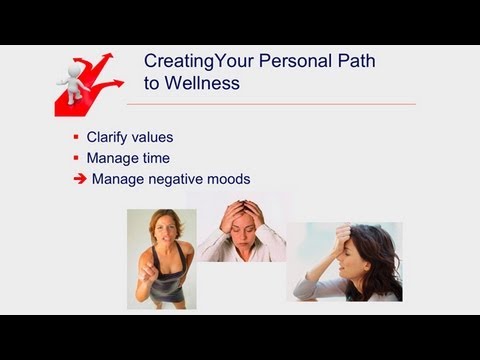
So, let’s talk about something we’ve all been there with: stress at work. You know, that overwhelming feeling when deadlines pile up and your to-do list looks like a never-ending saga. It can really get under your skin.
Ever had a moment where you just felt like you needed to hit pause? That’s what stress leave is all about. It’s that little escape hatch some folks take when the pressure gets too intense. But why do we actually reach for it?
There are some wild psychological factors at play here. And they’re not always what you think! Stick around as we unpack the messy, yet totally relatable cycle of stress, burnout, and the choice to take a breather from it all. You might see yourself or someone you know in this story!
Effective Strategies for Decompressing After a Stressful Workday
After a long day at work, it’s totally normal to feel that stress creeping in. Maybe you had tight deadlines, a tough conversation with your boss, or just the usual overload of emails. Whatever it is, knowing how to decompress can make all the difference.
Why decompressing matters is simple: if you don’t find ways to unwind, that stress can pile up and lead to burnout or even make you think about taking stress leave. It’s like carrying around a backpack filled with rocks; at first, it seems manageable, but over time? You’re going to feel weighed down.
One of the first things you can try is physical activity. This doesn’t mean you have to hit the gym for two hours! Even a short walk can help clear your mind. When I was in a super stressful job, I’d go for quick strolls during lunch breaks. Just being outside and moving my legs worked wonders—I could literally feel the tension melting away.
- Meditation or mindfulness practices are another awesome way to decompress. Just sitting in silence for a few minutes focusing on your breath can shift your mood significantly. You might even consider an app or some online videos if you’re not sure where to start.
- Journaling also helps many people offload their thoughts and emotions. It’s like having a chat with yourself on paper! Writing about your day can put everything into perspective and help process those feelings.
- Socializing, whether it’s grabbing coffee with friends or just chatting with family at home, makes a huge difference too. Sometimes just sharing how your day went can lighten that mental load!
- Caffeine and alcohol? They might be tempting vices after work but be careful! Both can add to anxiety levels if overdone—so moderation is key here.
An emotional story comes to mind—a friend of mine once felt so overwhelmed by her job that she started feeling constantly fatigued and even sick all the time. But then she started integrating some of these strategies: she’d walk her dog after work and take ten minutes every evening for meditation. Over time, her outlook improved drastically!
A big point here is giving yourself permission to take breaks. If you need stress leave? Don’t hesitate! That’s actually an important step towards maintaining mental health; it gives you space to recharge.
The bottom line? Stress management isn’t one-size-fits-all; what works for one person might not work for another. Experiment with different strategies until you find what helps YOU unwind after those tough days!
Navigating Leave from Work Due to Stress and Anxiety: A Comprehensive Guide
Navigating Leave from Work Due to Stress and Anxiety can be a tricky endeavor, but it’s totally okay to take a step back when you need it. It’s not just about needing time off; it’s about your well-being, too. When you’re feeling overwhelmed and stressed out at work, it’s essential to recognize the signs and understand how to handle the situation.
First off, let’s break down what stress leave can actually mean. It’s a form of temporary leave from your job that lets you recharge and focus on your mental health. Imagine you’re juggling too many balls in the air—eventually, something’s gonna drop. That something could be your mental health, which is why it’s so crucial to know when to take a breather.
When you think about taking leave, consider these key factors:
- Recognizing Symptoms: You might notice signs like headaches, irritability, trouble sleeping, or even difficulty concentrating. These are all red flags.
- Understanding Your Rights: Most workplaces have policies regarding mental health days or stress leave. It’s worth checking out what yours says.
- Speaking Up: Talking to your supervisor or HR can feel daunting but remember that you’re advocating for yourself.
- The Plan: Prepare a plan for when you’re away. This includes figuring out what tasks need attention and who can cover for you.
Feeling anxious about taking time off? That’s totally normal! You might worry about how it will affect your job or if people will judge you. Recently, a friend of mine felt crushed under the weight of her workload. She finally decided enough was enough and took two weeks of stress leave; it was liberating! She returned feeling more focused and ready to tackle her tasks with renewed energy.
Another important aspect is the transition back. When you’re returning to work after taking time off for mental health reasons, ease into things slowly if possible. You don’t want to overwhelm yourself right away—it’s like jumping back into cold water too fast!
Anxiety, especially related to work performance, often keeps people from taking that needed break. Remember that everyone has limits; pushing through may actually result in burnout over time. It might help chatting with someone—a friend or even a counselor—to get perspective on what you’re going through.
Don’t forget self-care during this period! Whether it’s practicing mindfulness, reading a book by your favorite author while sipping tea, or just lounging in comfy clothes—find what helps you relax.
Taking stress leave isn’t just okay—it’s necessary sometimes for better productivity and overall happiness at work! Give yourself permission to prioritize your mental health because if you’re not at your best mentally, how can you give your best at work? So be gentle with yourself; these breaks are all part of maintaining balance in life!
Top 10 Workplace Stressors: Understanding the Leading Causes of Job-Related Stress
Workplace stress can creep up on you like a sneaky little shadow. There are all sorts of reasons you might feel overwhelmed on the job, and understanding these stressors is key to managing your mental health. Here’s a breakdown of some of the major workplace stressors that could be leading you to consider taking stress leave.
1. Heavy Workload
When your plate is overflowing, it’s hard not to feel stressed out. A heavy workload doesn’t just mean lots of tasks; it also signifies tight deadlines and a lack of resources. It can make you feel like you’re running a marathon without stopping for water!
2. Unclear Job Expectations
If you’re not sure what’s expected from you, it can be super stressful. When bosses don’t provide clear guidelines or goals, it’s like trying to hit a moving target blindfolded. You might worry about what you’re doing wrong or if you’re heading in the right direction.
3. Poor Work-Life Balance
This one hits home for many people. If work bleeds into your personal life too much, you’ll start feeling burnt out quickly. Maybe you find yourself answering emails during dinner or catching up on projects instead of relaxing on weekends. It’s like living at work instead of working at work!
4. Lack of Support
You know that saying about teamwork making the dream work? Well, without support from colleagues or management, that dream can quickly turn into a nightmare! Feeling isolated or undervalued makes everything even harder.
5. Job Insecurity
The fear of losing your job is pretty nerve-racking! Whether it’s rumors about layoffs or changes in the company structure, uncertainty can mess with your head big time. You may find yourself constantly worrying about what tomorrow holds.
6. Conflicts with Coworkers
Tensions with coworkers can create an uncomfortable atmosphere—think about that one colleague who always seems to push your buttons! Dealing with interpersonal conflicts at work drains energy and adds to an already heavy load.
7. Monotony and Boredom
If every day feels the same at your job, boredom might start creeping in, too! When tasks become repetitive and unchallenging, it can lead to disengagement and frustration—kind of like watching paint dry!
8. Management Style
The way leaders interact with their teams influences stress levels tremendously! If management is overly authoritarian or lacks communication skills, employees might feel stifled or micromanaged—both big-time stressors!
9. Lack of Career Growth Opportunities
If you don’t see any room for growth in your role, feeling stuck can create discomfort and dissatisfaction at work! You’re likely to question whether it’s worth staying in a position where you can’t expand your skills or advance.
10. Working Conditions
Poor working conditions—from noisy environments to bad lighting—can seriously impact how we feel about our jobs! You could be sitting at a desk that’s too small or being distracted by constant interruptions which only adds fuel to the fire.
The thing is, understanding these stressors is essential—not just for individuals contemplating taking leave but also for organizations wanting to create healthier workplaces.
You know? Recognizing these factors helps everyone navigate those tricky waters better!
Stress leave is kind of a big deal, right? You might find yourself feeling completely worn out, both physically and mentally, and that’s when the idea of taking a break starts to sound really appealing. But what’s behind that decision?
You know, a few years back, a friend of mine was juggling a demanding job and some personal issues. The pressure started piling up on him like laundry after a week. He tried to power through it—like many of us do—until one day he just couldn’t. It was like hitting a wall. He ended up taking stress leave and used that time to recharge. The interesting thing is, the reasons he needed that break were multilayered.
Stress at work often comes from unrealistic expectations—like trying to meet tight deadlines or dealing with difficult coworkers. A lot of people feel they have to show up every day despite being overwhelmed. There’s this fear of judgment or even losing their job if they take time off, which just adds more stress!
Then there’s the whole comparison game. You know? Watching others seem totally in control can make you feel inadequate if you’re struggling. It creates this invisible pressure cooker environment where everyone is just holding their breath, waiting for the next challenge to hit.
And let’s be real: mental health isn’t always taken as seriously as physical health in workplaces. So sometimes people don’t feel safe admitting they can’t handle it all—like they’re running on empty but pretending they’re cruising along smoothly.
Taking stress leave can be seen as an act of bravery instead of weakness. It’s about recognizing that you need some space to breathe and regroup! It allows you to reconnect with yourself and figure things out without the weight of work hanging over your head.
It’s essential for folks dealing with stressful work situations to know they’re not alone; tons of other people are grappling with similar feelings but might be too scared to admit it. If you’re facing something similar or thinking about taking some time off, remember that prioritizing your mental well-being is truly important—and it doesn’t make you less dedicated or capable.
So yeah, next time someone shares they’re on stress leave (or if you’re ever in that position), it might help to give them the benefit of understanding instead of judgment—you never know what they’re facing beneath the surface!