You know that feeling when you just can’t seem to figure something out about yourself? Like, you keep hitting a wall, and you’re not sure why? Yeah, that’s your psychological blind spot talking.
It’s tricky. We all have these little areas where we can’t see the bigger picture. Maybe it’s how you handle stress or why some relationships always seem to go south. Ever thought about that?
Recognizing those spots can feel overwhelming, but it’s also super liberating! Imagine being able to sidestep the same old mistakes and really grow as a person.
Let’s unpack this together. You might just discover something eye-opening about yourself!
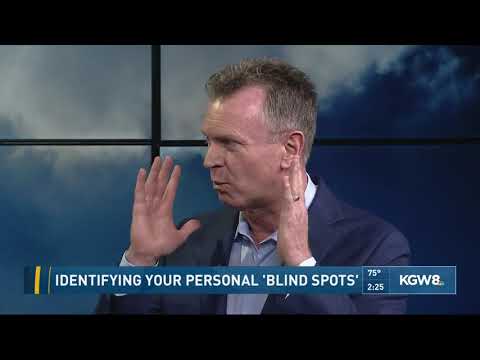
Identifying Psychological Blind Spots: A Guide to Self-Awareness and Growth
We all have those moments when we think, “Wait, did I just say that?” or “Why did I react like that?” It can be pretty frustrating, right? Well, these moments often point to what psychologists call psychological blind spots. Imagine trying to drive with a huge blind spot in your rearview mirror—you might miss something important! The same goes for our minds.
Psychological blind spots are basically areas where we’re unaware of our biases and patterns. They can affect how we perceive ourselves and others. So, let’s chat about how to identify these blind spots for some serious self-awareness and growth.
First off, self-reflection is key. Take a moment each day to think about your reactions. Did you snap at a friend for no reason? Maybe you were stressed out or feeling vulnerable. It’s cool to acknowledge that! Writing down your thoughts can help reveal patterns you might overlook otherwise.
Another thing is feedback from others. Sometimes, friends or family can see things we can’t. Let’s say your buddy tells you that you’re always interrupted in conversations. It might sting at first, but it could also shine a light on something important about your communication style!
Pay attention to emotional triggers. What sets you off? If someone’s late and you feel like it’s the end of the world, there might be a deeper issue at play—like anxiety about control or being left out. Getting curious about these feelings can open new doors for understanding yourself better.
Also, check out cognitive biases. Ever heard of confirmation bias? It’s when we only pay attention to stuff that agrees with what we already think. That means if you believe people are generally rude, you’ll notice all the rude behavior while ignoring the nice stuff! Being aware of this bias helps you challenge those assumptions more realistically.
Engaging in mindfulness practices is pretty beneficial too. Mindfulness isn’t just about sitting cross-legged and breathing; it’s about being present and aware of your thoughts without judgment. When you’re mindful, it becomes easier to catch those autopilot reactions before they take the steering wheel!
Let’s not forget vulnerability is part of life too! Sharing your struggles—even with someone else—can help highlight where your blind spots are. It feels scary opening up sometimes; trust me, I’ve been there! But being vulnerable lets others connect with you better and often leads to insights about how you’ve been viewing things.
Lastly, remember that growth is a journey—not some quick fix. Just because you’ve identified one blind spot doesn’t mean it’s all done! It’s an ongoing process; sometimes new ones will pop up as you evolve and tackle different challenges.
So really take this stuff seriously—self-awareness might be tricky but it’s completely worth it in the long run! Embracing these psychological blind spots will definitely lead you towards personal growth and richer relationships with others around you.
Unlocking Self-Awareness: A Guide to Identifying Your Physiological Blind Spots
Self-awareness is a pretty big deal when it comes to understanding your own behavior and emotional patterns. Basically, it’s like having a mirror that reflects not just your physical self but also what’s going on inside your head. And you know what? A lot of us have these blind spots, especially when it comes to our physiological responses. Let’s dig into this a bit more.
What are Physiological Blind Spots?
So, physiological blind spots are those moments when you might not realize how your body is reacting to emotions or stressors. Think about the last time you were really anxious. Maybe your heart raced, or you felt sweaty. But did you notice those signs right away? Or did they catch you off guard? It’s super common to miss these signals.
Why It Matters
Recognizing these blind spots is crucial because they can help you understand your emotional responses better. If you notice that your breathing gets shallow in stressful situations, for example, this could be a signal that you’re feeling overwhelmed. Acknowledging that gives you a chance to take steps to ground yourself before things escalate.
How to Identify Your Blind Spots
Here are some straightforward ways you can learn more about yourself:
- Journaling: Try writing down how your body feels in different situations. When do you notice tension? When do you feel relaxed?
- Meditation or Mindfulness: These practices can help tune into what’s happening physically and emotionally.
- Acknowledge Triggers: Think about events or people that cause certain reactions in your body.
Please check in with yourself daily; it’s like building a relationship with your own feelings and reactions. You might find patterns that surprise you!
Anecdote Time
I remember this one friend who would always get super quiet right before giving a presentation at work. Everyone thought she was just shy, but she later realized her stomach would clench so tight she could barely breathe! Once she connected the dots between her body and her anxiety, she started practicing breathing exercises beforehand. That simple change helped her express herself much better!
The Role of Emotional Awareness
It’s worth mentioning that emotional awareness and physiological responses go hand in hand. When you’re keyed into how you’re feeling emotionally, it makes it easier to pick up on those bodily signals too.
By knowing what happens physically when you’re upset or happy,
you can learn how to respond rather than reacting impulsively—you know? It’s about taking control of the whole package—mind and body!
In the end, being self-aware isn’t just about knowing yourself better; it’s also about engaging with how everything—emotions and physiology—works together for personal growth!
Understanding Psychological Blindspots: Definition, Impact, and Strategies for Overcoming Them
Understanding Psychological Blindspots is a fascinating topic that touches on how we perceive ourselves and the world around us. These blindspots are areas where we lack insight or awareness, often without even realizing it. They can seriously affect our decision-making, relationships, and even our happiness.
What Exactly Are Psychological Blindspots?
Think of them as mental shortcuts or biases that skew our understanding. Imagine driving a car and not being able to see a whole lane because your mirror’s off a bit. That’s like how blind spots work in our minds. You might not notice patterns in your behavior that lead to repeated mistakes—like choosing the same type of unhealthy relationship again and again.
Impact of Psychological Blindspots
These blindspots can be sneaky. They often lead you to make decisions that aren’t in your best interest. For instance, let’s say you have a habit of interrupting people in conversations. You might think you’re just being enthusiastic, but others could view you as inconsiderate. This gap between your perception and others’ can create conflicts.
- Relationships: Blindspots can cause misunderstandings with friends or partners, making communication difficult.
- Decision-Making: They can influence choices at work or school, which may lead to missed opportunities.
- Mental Health: Ignoring these areas might contribute to anxiety or depression, as unresolved issues pile up.
Why Do We Have Them?
Well, it’s partly human nature! We all want to see ourselves positively and avoid discomfort. Sometimes your brain will just skip over aspects of reality to keep things feeling nice and tidy. It’s like putting on rose-colored glasses without realizing it.
Strategies for Overcoming Blindspots
You don’t have to stay stuck in these patterns! Here are some ways you can start seeing more clearly:
- Acknowledge That You Have Them: The first step is admitting everyone has blindspots. It’s perfectly normal!
- Seek Constructive Feedback: Ask close friends or family about behaviors they notice but you don’t.
- Ponder Your Reactions: When something upsets you, take a moment to consider why that is.
- Diversify Your Perspectives: Engage with people who have different viewpoints; they might point out things you’ve missed.
- Meditation and Reflection: Just spending quiet time alone can help clarify thoughts and feelings over time.
To wrap it up, understanding psychological blindspots isn’t just about wanting self-improvement; it’s really about opening your eyes to the bigger picture of who you are and how you interact with the world. You’ll find yourself growing in ways that genuinely enrich your life!
You know, we all have those moments when something in our lives just doesn’t click – like, maybe you keep finding yourself in the same messy relationship or getting stuck in a job that drains you. It can feel exhausting, right? And often, these patterns happen because of something called “psychological blind spots.”
It’s like driving a car and not realizing there’s a huge truck in your blind spot. You’re cruising along, feeling all good about life until… bam! You’re caught off guard by something you didn’t see coming. These blind spots are areas within ourselves that we just don’t recognize, but they can seriously hold us back from growing and moving forward.
Let me give you a quick story. A friend of mine named Alex used to get super frustrated at work. He felt like he was always passed over for promotions and never understood why. One day, after venting to me for the umpteenth time, I asked him to really think about how he interacted with his co-workers. It turns out he often interrupted people during meetings or brushed off ideas that didn’t fit his own thinking. He had no idea! Once he started paying attention to that behavior, things changed for him—he became more aware of how others perceived him and adjusted his communication style. It was pretty cool to see!
So how do you figure out your own blind spots? Well, it helps to invite feedback from people you trust—friends, family, whoever feels safe enough to be honest with you. Sometimes it’s uncomfortable but worth every second since they can see things in your behavior that might be totally invisible to you.
Also, self-reflection plays a big role here too! Journaling can help uncover thoughts and feelings that might seem buried—a good way to shine a light on what’s going on under the surface. You know what I mean? By doing this work, the hope is that you’ll start spotting these hidden patterns before they cause problems again.
And hey, remember: Everyone has blind spots; nobody’s perfect! The goal isn’t to eliminate them entirely but rather to notice when they pop up so you can navigate around them better as life throws curveballs your way.
It’s an ongoing process—kind of like trying to find where you’ve put your keys when you’re running late. Sometimes it takes stepping back and taking a different look before everything clicks back into place again!