So, let’s chat about emotions for a sec. You know how some days you just feel on top of the world? And other days, it’s like a dark cloud just won’t budge? Yeah, that’s normal.
We all have those moments when our feelings kind of spiral out of control. It can be overwhelming, right? But what if I told you there are these cool concepts called emotional regulation zones?
Basically, they help you understand where your feelings are at and how to manage them better. Imagine having a mini roadmap for your emotions!
Sounds neat, huh? Let’s break it down together and see how these zones can help you find that sweet spot of balance in life.
Understanding Emotional Regulation Zones: A Comprehensive Guide to Psychological Well-Being (PDF)
Understanding emotional regulation zones is a pretty interesting topic. Basically, it revolves around how we manage our emotions in different situations. Not everyone reacts the same way to stress, joy, or sadness. That’s where these zones come into play.
What Are Emotional Regulation Zones?
Emotional regulation zones are like different levels of emotional intensity we experience. They can be broken down into three main categories: the green zone, the yellow zone, and the red zone. You can think of them as traffic lights for your feelings!
- The Green Zone: This is where you’re feeling calm, balanced, and in control. Imagine you’re hanging out with friends and laughing—that’s your green zone!
- The Yellow Zone: Here’s where things get a little tricky. You might feel anxious, frustrated, or overwhelmed but not totally out of control. Maybe you’re stressing about an upcoming deadline at work.
- The Red Zone: When you hit this zone, emotions can spiral out of control. You might feel rage or extreme sadness that makes it hard to think clearly. Picture someone who’s just had a huge fight with their partner—they’re in the red zone.
Why Is This Important?
Understanding these zones helps you recognize your emotional state better and manage it effectively. It’s like having a psychological roadmap! When you know what zone you’re in, you can make choices that steer you toward the green zone rather than getting stuck in the yellow or red.
How Do We Regulate Our Emotions?
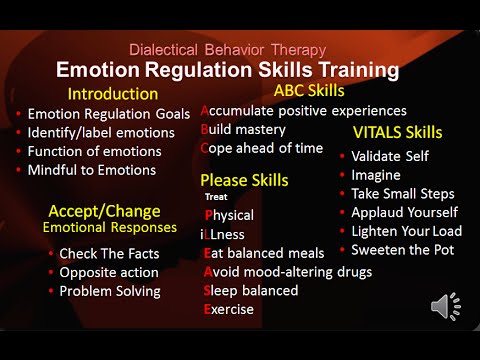
Here are some strategies to help keep those emotions in check:
- Acknowledge Your Feelings: The first step is recognizing what you’re feeling without judgment. If you’re stressed about that work deadline? Just admit it!
- Practice Mindfulness: This involves being present at the moment without thinking about what’s next or what just happened. Deep breathing exercises can be a simple way to ground yourself.
- Create Positive Outlets: Find things that help you release pent-up emotions—whether that’s exercising, painting, or even journaling.
A Personal Touch
Like one time when I was preparing for a big presentation at work—I ended up in my yellow zone! My heart raced every time I thought about standing up there talking to my colleagues. Instead of letting panic take over (which would’ve pushed me into the red), I took a few deep breaths and reminded myself that I’d prepared well.
In short, emotional regulation isn’t about suppressing feelings; it’s more about managing them so they don’t overwhelm you. Recognizing your emotional regulation zones provides clarity on how to act when you’re feeling off-balance.
Learning to navigate through these zones can boost your psychological well-being significantly! So next time you find yourself feeling all sorts of things—just check which zone you’re in and adjust accordingly!
Understanding the Zones of Regulation: Comprehensive PDF Guide for Educators and Parents
The Zones of Regulation is a super helpful framework, especially for educators and parents who want to help kids understand and manage their emotions. Basically, it categorizes feelings into four different “zones,” making it way easier for everyone to identify what’s going on emotionally.
Blue Zone is all about feeling low or sad. You might feel tired, bored, or even sick. Think about that feeling when you just can’t get out of bed on a rainy day. It’s important to recognize this zone because it helps you know when you need a little break or some extra care from others.
Green Zone is where we want most of the time. This zone means you’re focused, happy, and ready to learn! You know those moments when everything just feels right? Whether you’re playing with friends or working on something you love, being in the Green Zone is like catching a wave—you’re just flowing with it!
Yellow Zone indicates you’re starting to get a bit upset or anxious. Maybe you’re frustrated because your friend borrowed your favorite toy without asking. In this zone, you might feel overwhelmed but aren’t completely out of control yet. It’s key to notice these feelings early so that they don’t escalate.
Red Zone is when emotions are really running high—like angry outbursts or extreme sadness. Picture a volcano ready to erupt; that’s where you’re at in the Red Zone! Understanding this helps kids realize they need to take action right away—whether that’s taking deep breaths or stepping away from the situation before things escalate further.
Using these zones can be super effective in everyday life. For instance, maybe a kid gets frustrated during homework (Yellow Zone). Instead of letting those feelings boil over into anger (Red Zone), parents can model how to take breaks and practices strategies like talking it out or drawing as a way to calm down.
It’s also really beneficial for teachers in classrooms. If someone notices that a student is frequently in the Blue Zone (like being disengaged), they might create activities that help boost engagement or connect with that child one-on-one.
Incorporating this framework into daily routines allows children to develop their emotional vocabulary too! They learn not just what they’re feeling but why they’re feeling it and how they can manage those feelings effectively.
Overall, the Zones of Regulation framework encourages open conversations about emotions without fear of judgment—it’s like having a map for navigating feelings. When both parents and educators work together using these zones, kids have the support they need to grow not only intellectually but also emotionally well-rounded!
Download Your Free PDF Guide to the Zones of Regulation: Enhance Emotional Awareness and Self-Regulation Skills
The Zones of Regulation is a framework that helps you understand and manage your emotions better. It’s all about emotional awareness and self-regulation skills, which are super important for mental well-being. So, what exactly are these zones?
The Zones consist of four main categories:
- Blue Zone: This zone is for when you’re feeling low, sad, or tired. Think of it like a rainy day mood. You know that feeling when you just want to curl up in a blanket?
- Green Zone: This is the optimal state to be in! You’re calm, happy, and focused—ready to take on the day! When you feel like yourself and everything’s clicking.
- Yellow Zone: Here’s where things start to get a bit wobbly. You might feel anxious or excited; it’s kind of like being on a roller coaster, half-fun and half-frightening!
- Red Zone: This zone screams intense feelings! Anger, frustration, or panic can land you here. Imagine being so mad that you can’t even think straight—yikes!
Recognizing these zones is crucial. Once you know where you stand emotionally, you can figure out how to move between them. It’s all about taking small steps towards feeling better.
Why Use the Zones? They enhance your emotional vocabulary. Instead of just saying «I’m sad,» you’d say «I’m in the Blue Zone.» This makes it easier to communicate how you’re feeling with others—friends, family, or even teachers.
For example, if you’re in the Yellow Zone due to anxiety before a big exam: instead of letting it consume you or going completely Red by stressing out too much, you could practice some grounding techniques. Like taking deep breaths or counting backward from ten.
Your Emotional Toolkit might include things like:
- A journal to reflect on your feelings.
- Meditation apps for mindfulness.
- Coping strategies that help shift from one zone to another.
The beauty of mastering the Zones comes when you’re able to self-regulate effectively. It’s not magic; it’s practice! Just as an athlete trains their body daily for performance enhancement, cultivating self-awareness takes effort too.
So next time you’re grappling with emotions—be it frustration over an unresolved issue at work or simple forgetfulness during a hectic moment—remember those zones. They’re your guideposts for navigating life’s emotional landscapes.
Being aware of your emotional state doesn’t mean you’ll never face challenges again—nope! It means you’re better equipped to handle them when they come knocking at your door. Your emotions are valid but learning how to manage them? That’s empowering!
In human interactions too, this knowledge can lead to stronger connections with others because understanding our own feelings often translates into empathy for someone else struggling too.
And remember: it’s okay not be okay sometimes! Embracing all four zones as part of life gives us depth and richness in our experiences and helps us grow emotionally along the way!
So, let’s talk about those emotional regulation zones. You know when you’re cruising through life feeling pretty chill, and then bam! Something throws you off your game? Well, that’s where emotional regulation comes in. It’s all about striking that balance between your feelings and how you cope with them.
Think of it like a traffic light for your emotions. You’ve got the green zone, which is when you’re feeling good—confident, calm, maybe even a little excited about something. This is basically your sweet spot where everything feels right. Then there’s the yellow zone, where things start feeling a bit off-kilter. Maybe you’re stressed but haven’t quite hit panic mode yet. It’s that annoying car in front of you going too slow; it can get frustrating but you’re not ready to lose it.
And then there’s the red zone. Oh boy! That’s when emotions go into overdrive—anger, anxiety, sadness—all swirling together like some chaotic tornado in your head. I remember this one time I was late for a friend’s birthday party because of traffic (classic!) and by the time I arrived, I felt so frazzled that I could barely enjoy myself. It was like my brain was screaming “You’re not enough!” instead of celebrating my friend’s big day.
Managing these zones means recognizing where you’re at and what to do about it. Like when you feel yourself slipping into yellow or red territory; maybe it’s time to take a few deep breaths or step outside for some fresh air. Knowing yourself is key here—you need to figure out what helps you calm down and get back to that zen green state.
What’s interesting is that emotional regulation isn’t just about suppressing feelings either; it’s more nuanced than that! It’s also knowing when to express emotions healthily without letting them take over your life or making poor choices in the heat of the moment.
In terms of psychological well-being, mastering this whole zone thing can seriously level up how you deal with stressors that come at you from all angles. And hey, no one’s perfect—everyone slips up now and then! But with practice and self-awareness, navigating through these zones can become second nature, helping us lead more balanced lives filled with positive vibes instead of emotional roller coasters!